Understanding glp -1 Benefits and Mechanisms

We've always been told weight loss requires pure willpower, but what if your stomach and brain aren't speaking? According to researchers, GLP-1 (sometimes written as glp -1) acts as a messenger through the gut-brain connection to silence constant "food noise."

Michael Brown

Michael Brown is a prolific writer and educator, specializing in historical fiction. His novels are meticulously researched, bringing to life the events and figures of the past in a way that is both engaging and informative.

Summary

GLP-1 is a gut-brain hormone that quiets “food noise” by enhancing satiety through hypothalamic appetite control. Incretin-based therapies mimic this signal to slow gastric emptying and improve insulin-driven blood sugar regulation, aiding weight and type 2 diabetes management. Options like semaglutide (GLP-1) and tirzepatide (GLP-1 and GIP) differ in targets and potential metabolic effects, with weekly injections or daily pills as common delivery methods. Managing gastrointestinal side effects with smaller meals, lighter foods, steady hydration, and stopping at fullness supports sustainable metabolic health.

The "Slow-Motion" Secret to Staying Full Longer and Stabilizing Sugar

You’ve probably heard about GLP-1 weight loss drugs dominating headlines, but what many people don’t realize is that your body already produces this powerful hormone naturally. Instead of relying entirely on medication, you can activate your body’s own system to control hunger and improve satiety.

GLP-1, or glucagon-like peptide-1, acts as a “fullness signal” between your gut and brain. It plays a critical role in appetite control, gut-brain communication, and blood sugar regulation.

According to the National Institutes of Health, GLP-1 helps regulate insulin and supports metabolic health. Learn more here: https://www.nih.gov

Here’s how the process works:

  • Food enters your digestive system
  • Your gut releases GLP-1 into the bloodstream
  • Your brain receives the signal that you’re full

When this system works properly, it reduces “food noise” and helps you feel satisfied faster.

One of the most effective ways to naturally boost GLP-1 is through diet—especially by increasing your intake of soluble fiber. Fiber slows digestion and keeps food in your system longer, which enhances satiety signals.

Research from the Harvard T.H. Chan School of Public Health highlights how fiber supports appetite control and metabolic health. Learn more: https://www.hsph.harvard.edu

Top natural GLP-1 boosting foods include:

  • Oats
  • Chia seeds
  • Black beans
  • Brussels sprouts
  • Barley

Another powerful method is resistant starch, found in cooled rice or potatoes. These foods feed gut bacteria that trigger GLP-1 release through fermentation.

Safety and Success: Managing Side Effects for Better Results

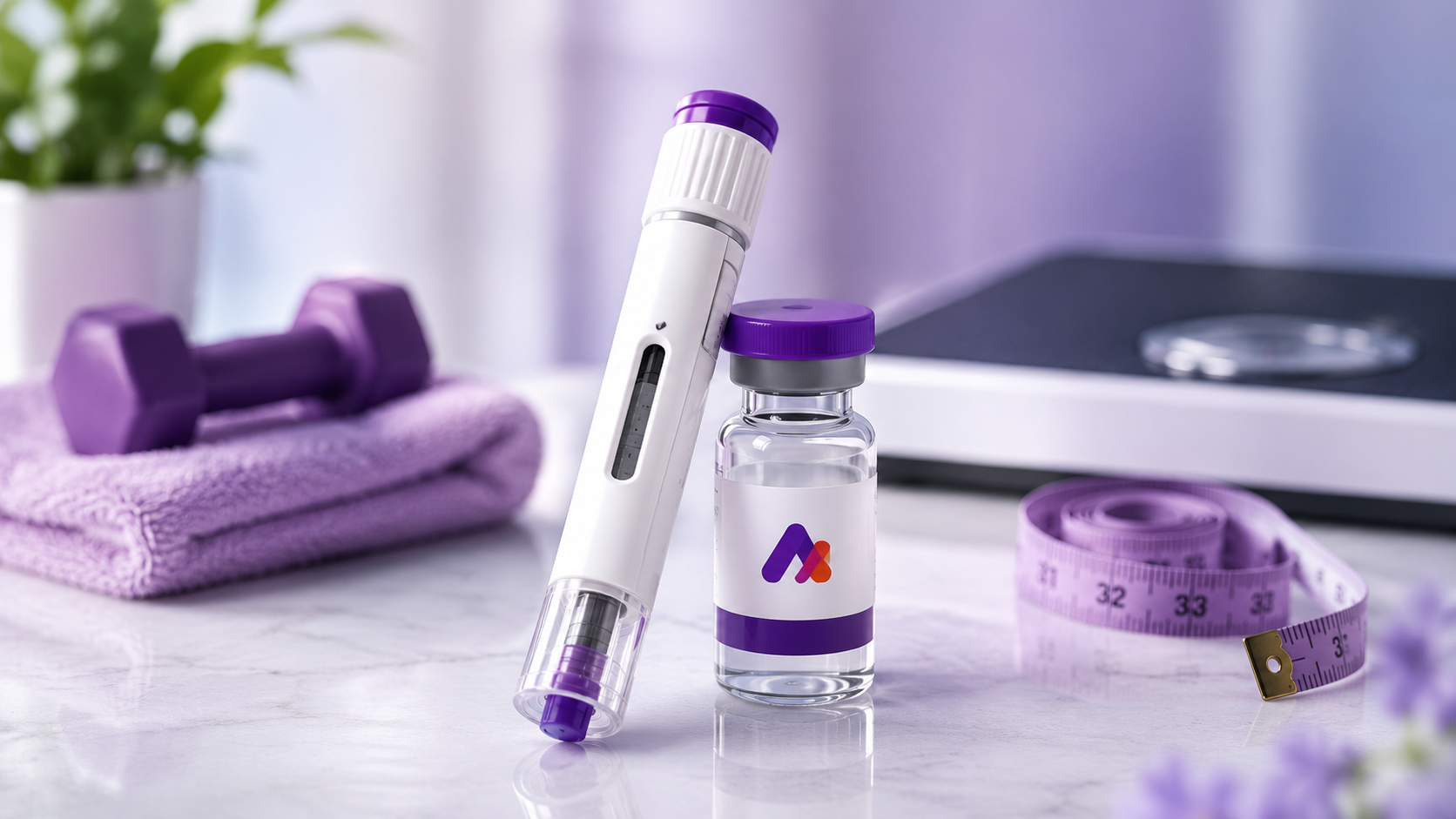
Prioritizing medical weight loss injections safety begins with choosing your delivery method. When weighing oral versus injectable incretin therapies, many find weekly shots highly effective, while daily pills offer simple convenience. Be cautious with products marketed as glp 1 patches; transdermal patches are not a standard delivery method for this class and should be discussed with your clinician. If you choose the shot, you will use a subcutaneous injection---meaning a tiny needle rests comfortably just under the skin, not deep in the muscle. To prevent soreness, follow a basic subcutaneous injection site rotation guide: alternate your shots between your stomach, thighs, and the back of your arms each week.

Because these medications physically slow your digestion, you might notice temporary nausea. Fortunately, managing gastrointestinal side effects is entirely within your control. To minimize common glp-1 side effects, implement this four-step daily checklist:

  • Eat smaller, more frequent portions to accommodate your stomach's new pace.
  • Skip heavy, greasy foods that linger in your gut too long.
  • Sip water consistently throughout the day instead of gulping large glasses.
  • Stop eating the exact moment you feel full, even if food remains.

Mastering these daily adjustments transforms temporary discomfort into lasting benefits. Once you establish a comfortable routine, you are ready to map out your roadmap to sustainable metabolic health.

Your Roadmap to Sustainable Metabolic Health

Moving beyond willpower lets you focus on long-term metabolic health outcomes. Prioritize a nutrient dense diet for obesity treatment support, which solves how to manage muscle loss during rapid weight reduction. Celebrate non-scale victories---like having more energy for a walk---while enjoying the cardiovascular health benefits of metabolic drugs. Building sustainable habits starts with small, daily choices, such as adding one extra serving of protein to your next meal.

Q&A

Question: What is GLP-1 and how does it reduce “food noise”?

Short answer: GLP-1 is a gut-brain hormone that signals satiety to the hypothalamus, helping quiet persistent hunger cues. By strengthening this appetite-control pathway, it makes you feel comfortably full sooner and longer, underscoring that weight management is driven by biology as much as willpower. Incretin-based therapies mimic this natural GLP-1 signal to reinforce satiety.

Question: How do incretin therapies keep me full longer and help regulate blood sugar?

Short answer: They slow gastric emptying—like a “slow-motion” setting—so food stays in your stomach longer, extending fullness. At the same time, they act like a metabolic “thermostat,” improving insulin-driven blood sugar regulation: your body pulls sugar from the blood when levels rise, helping avoid sharp spikes and crashes, which supports type 2 diabetes management.

Question: What’s the difference between semaglutide and tirzepatide?

Short answer: Semaglutide targets a single pathway (GLP-1) and is commonly given as a weekly injection to help manage appetite. Tirzepatide targets two pathways (GLP-1 and GIP), offering potentially stronger metabolic effects. Both are incretin-based options, with weekly injections or daily pills as common delivery methods.

Question: Which delivery methods are standard—and are GLP-1 patches legit?

Short answer: Standard options are weekly injections and daily pills. Be cautious with products marketed as GLP-1 patches—transdermal patches aren’t a standard delivery method and should be discussed with your clinician. If you use injections, they are subcutaneous (a tiny needle just under the skin, not into muscle). Rotate sites—stomach, thighs, and the back of the arms—to reduce soreness.

Question: How can I manage common side effects like nausea and build sustainable results?

Short answer: Because these medicines slow digestion, temporary nausea is common. Use this daily checklist to minimize it:

  • Eat smaller, more frequent portions.
  • Skip heavy, greasy foods.
  • Sip water consistently through the day.
  • Stop eating as soon as you feel full.
    For long-term success, focus on a nutrient-dense diet to support fat loss while preserving muscle, build small daily habits (like adding an extra serving of protein), and celebrate non-scale victories such as increased energy and cardiovascular benefits.
See what other people’s experiences are.

Alexander Wright

“Not a bad product at all — it does what it’s supposed to. However, I think future versions could improve on the design to make it more user-friendly. Good, but not outstanding.”

Olivia Bennett

“The quality really stood out the moment I started using it. Everything feels well-made and carefully put together. I’ll definitely be sticking with this product long term.”

While GLP-1 medications are powerful, your body already has the ability to regulate hunger naturally. By focusing on fiber-rich foods, balanced nutrition, gut health, and consistent lifestyle habits, you can boost your natural GLP-1 levels and reduce cravings effectively. The key is consistency—small daily changes can lead to long-term, sustainable results.

Recommended Reads

Primary Care Online

Urgent Care Telehealth

Women's Health Telehealth

Men's Health Telehealth

Mental Health & Therapy Online

Weight Loss Telehealth

How Do Different Online Telehealth Options Compare Around the World in 2026?

“Hair Loss Telehealth in 2025: Minoxidil, Finasteride, and the Future of Hair Restoration Online”

Menopause Telehealth in 2025: Hormone Therapy and Symptom Relief Made Easy Online