Explore how patients and providers view telehealth in obstetric care—from benefits and barriers to future challenges. Learn how Compare Telehealth supports safer, more accessible maternal health services worldwide.

Regina Wilson

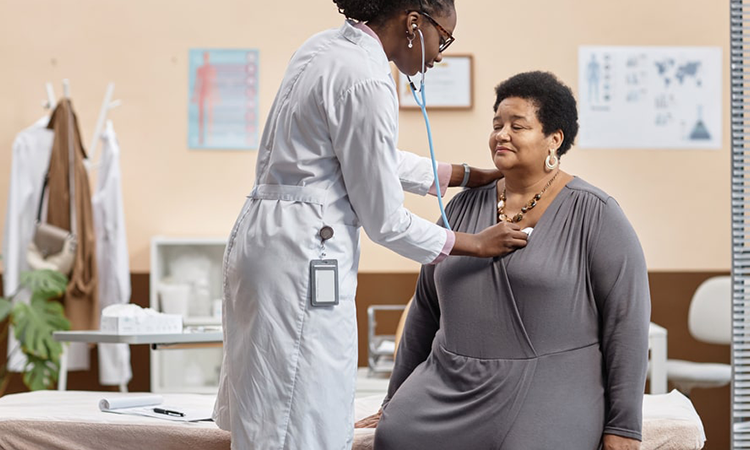
Many women view telehealth obstetric clinics as highly convenient, especially those living in rural areas or regions with limited healthcare infrastructure. A NIH study found that virtual care reduced travel burdens, cut waiting times, and allowed expectant mothers to balance prenatal care with family and work responsibilities.
Some patients perceive telehealth as a safer and more private way to discuss sensitive topics. For example, discussions about high-risk pregnancies or mental health concerns can feel less intimidating when conducted from home. Women also report feeling more empowered when they can access their records and ask questions directly through secure telehealth platforms.
Despite the advantages, skepticism remains. Some expectant mothers worry that the quality of care may be compromised in virtual settings, particularly when physical examinations or ultrasounds are necessary. Research in JAMA Network highlights that while telehealth can effectively manage routine check-ins, patients often prefer in-person visits for milestone appointments.
Obstetricians and midwives acknowledge that telehealth allows them to reach more patients across wider geographic areas. This is especially important for high-risk pregnancies where frequent monitoring is needed but in-person visits are impractical.
From the provider’s perspective, telehealth improves workflow efficiency. Virtual consultations help manage routine follow-ups, medication counseling, and prenatal education sessions. The American College of Obstetricians and Gynecologists (ACOG) supports integrating telehealth into practice as a way to optimize clinic resources.
However, many providers face technical barriers—including inconsistent internet connectivity, lack of training in digital tools, and difficulties incorporating telehealth into existing medical records systems. Some clinicians also report longer hours, as telehealth often increases patient messaging and after-hours communication.

Not all women have reliable internet, smartphones, or computers. This creates a digital divide, leaving some of the most vulnerable populations at risk of inadequate care.
Essential components of obstetric care—such as ultrasounds, fetal monitoring, and blood pressure checks—cannot always be replicated virtually. While home monitoring devices exist, they may not be affordable or widely available.
Women may lack access to a private space at home, particularly in multi-generational households, which can discourage open discussions during telehealth visits. Additionally, concerns about data privacy and cybersecurity remain.
In some regions, telehealth services are not fully covered by insurance, creating financial burdens for patients. Providers also face challenges navigating licensing laws that restrict cross-border consultations.
While telehealth improves accessibility, it can also contribute to workload stress. Constant messaging, managing virtual platforms, and addressing technical issues may add to clinician burnout.

To address these challenges, healthcare systems must take a hybrid approach that combines virtual visits with in-person checkups. Governments and organizations like the World Health Organization (WHO) emphasize the need for policy support, digital infrastructure investment, and training programs for both providers and patients.

Perceptions of telehealth obstetric clinics are shaped by both optimism and caution. Patients value accessibility, privacy, and convenience, but worry about missing the reassurance of physical exams. Providers see efficiency and expanded reach but face challenges with technology integration and workload balance.
By addressing these challenges, telehealth obstetric clinics can evolve into a sustainable model that bridges healthcare gaps, enhances maternal outcomes, and redefines how prenatal and postpartum care is delivered.
👉 Learn more about how telehealth is reshaping women’s health at women's health telehealth

Browse expert reviews, guides, and comparisons across all our health categories.
GLP-1 medications, nutrition plans & more
Therapy, psychiatry & counseling
ED, testosterone, hair loss & wellness
Birth control, hormones & fertility
Cold, flu, infections & quick visits
Check-ups, chronic care & prescriptions
Weight Loss
The most prescribed GLP-1 weight loss medication with 15% average body weight reduction in clinical trials.
Explore our latest articles, guides, and expert insights on telehealth and wellness.
Real stories from real patients who found better healthcare through CompareTelehealth.
"CompareTelehealth made finding the right provider so easy. I was matched with a doctor in minutes and had my prescription the same day."
Sarah M., 34
Austin, TX
"I've been managing my diabetes through telehealth for 6 months now. My provider is thorough, caring, and always available when I need her."
James K., 52
Chicago, IL
"Got my birth control prescription renewed in a 10-minute video call. No waiting room, no hassle. This is how healthcare should work."
Emily R., 28
Denver, CO
"Was skeptical about online therapy but my therapist is incredible. We meet weekly via video and it's been life-changing for my anxiety."
Marcus W., 41
Miami, FL
"Lost 28 pounds with my telehealth weight loss provider. The personalized plan and medication support made all the difference."
Priya N., 31
Seattle, WA
"Had a sinus infection on a Sunday night. Got on a video call in 15 minutes, had antibiotics at my pharmacy by Monday morning."
David L., 45
Phoenix, AZ
"The comparison tool helped me find the most affordable provider for my needs. Saved over $200 compared to my previous telehealth service."
Rachel T., 38
Brooklyn, NY
"At my age, having a doctor who actually listens matters. My telehealth primary care provider gives me more attention than any in-person doctor."
Tom H., 61
Nashville, TN
"CompareTelehealth made finding the right provider so easy. I was matched with a doctor in minutes and had my prescription the same day."
Sarah M., 34
Austin, TX
"I've been managing my diabetes through telehealth for 6 months now. My provider is thorough, caring, and always available when I need her."
James K., 52
Chicago, IL
"Got my birth control prescription renewed in a 10-minute video call. No waiting room, no hassle. This is how healthcare should work."
Emily R., 28
Denver, CO
"Was skeptical about online therapy but my therapist is incredible. We meet weekly via video and it's been life-changing for my anxiety."
Marcus W., 41
Miami, FL
"Lost 28 pounds with my telehealth weight loss provider. The personalized plan and medication support made all the difference."
Priya N., 31
Seattle, WA
"Had a sinus infection on a Sunday night. Got on a video call in 15 minutes, had antibiotics at my pharmacy by Monday morning."
David L., 45
Phoenix, AZ
"The comparison tool helped me find the most affordable provider for my needs. Saved over $200 compared to my previous telehealth service."
Rachel T., 38
Brooklyn, NY
"At my age, having a doctor who actually listens matters. My telehealth primary care provider gives me more attention than any in-person doctor."
Tom H., 61
Nashville, TN
Everything you need to know about CompareTelehealth and how we help you find better healthcare.
CompareTelehealth is a platform that helps you find, compare, and connect with the best telehealth providers for your specific health needs — from weight loss and mental health to urgent care and primary care. We provide unbiased reviews, pricing comparisons, and expert guides to help you make informed healthcare decisions.
No, we are not a telehealth provider ourselves. We are an independent comparison and review platform. We help you discover and compare licensed telehealth providers so you can choose the one that's right for you based on cost, ratings, availability, and services offered.
CompareTelehealth is completely free to use. You can browse reviews, compare providers, read guides, and access all our content at no cost. You only pay when you choose to book a visit with a telehealth provider through their platform.
We cover a wide range of telehealth services including weight loss (GLP-1 medications), mental health & therapy, women's health (birth control, PCOS, menopause), men's health (ED, hair loss, testosterone), urgent care, and primary care. New categories are added regularly.
Yes, all telehealth providers featured on our platform are licensed, board-certified medical professionals. We verify credentials and only list reputable, established telehealth services that meet our quality standards.
Yes, most telehealth providers we compare can prescribe medications during your virtual visit. Prescriptions are typically sent directly to your preferred pharmacy or delivered to your door, depending on the provider and medication type.
Many insurance plans now cover telehealth visits, though coverage varies by provider and plan. We include insurance acceptance information in our provider comparisons so you can find options that work with your coverage. Some providers also offer affordable self-pay rates.
Use our comparison tools to filter providers by specialty, cost, availability, ratings, and insurance acceptance. We also publish detailed guides and reviews to help you understand what each provider offers. If you're unsure, start with our 'How to Choose' guides in each category.
For many conditions, telehealth is equally effective as in-person care. Studies show high patient satisfaction and comparable outcomes for conditions like mental health, chronic disease management, medication management, and routine check-ups. However, some conditions still require in-person evaluation — we clearly note when that's the case.
You can reach our team through the contact form on our About Us page, or email us directly. We're here to help you navigate your telehealth options and answer any questions about the providers and services we compare.