Weight loss drugs are experiencing unprecedented global demand in 2026, driven by medical breakthroughs and rising obesity rates.

In 2026, weight loss drugs—especially GLP-1 medications—are experiencing a massive global surge in demand. What was once a niche treatment for diabetes has now become a mainstream solution for weight management, attracting millions of users worldwide.
Recent data shows just how fast this trend is growing. The global GLP-1 market is expected to expand from $10.12 billion in 2026 to over $66 billion by 2035, highlighting one of the fastest-growing sectors in healthcare.
This rapid growth is being driven by several key factors:
As a result, weight loss drugs are no longer seen as a last resort—they’re becoming a first-line option for many people.
Another major driver of demand is accessibility. In the past, these medications were difficult to obtain and often required specialist visits. Today, telehealth has completely changed that.
According to recent reports, about 1 in 8 adults in the U.S. are now using GLP-1 drugs, showing how quickly adoption has scaled.
Telehealth platforms now allow users to:
This convenience has significantly lowered the barrier to entry, making weight loss treatments accessible to a much larger population.

Innovation in the pharmaceutical industry is also fueling this surge. New formulations—including oral versions of GLP-1 drugs—are making these treatments easier to use and more appealing to a broader audience.
In fact, 2026 is being described as the “year of oral weight loss drugs,” marking a major shift from injectable treatments to pill-based options.
At the same time, competition between major pharmaceutical companies is increasing, leading to:
These advancements are helping expand the market globally, especially in regions where access was previously limited.
Despite the rapid growth, supply and access challenges remain. Even with increased production, global health experts warn that only a small percentage of people who could benefit currently have access to these medications.
According to the World Health Organization, GLP-1 drugs may reach fewer than 10% of eligible patients worldwide by 2030 without major changes in access and affordability.
This gap highlights the need for:
At the same time, rising demand has also led to concerns about counterfeit or unregulated versions of these drugs entering the market, making it essential for patients to obtain medications from trusted providers.
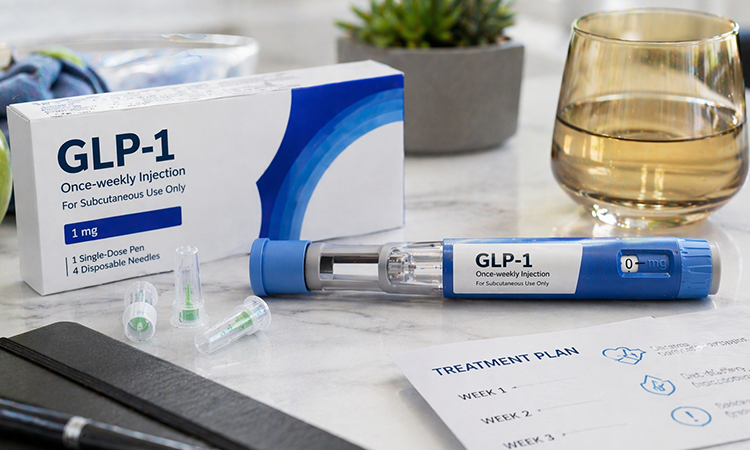

Looking ahead, the demand for weight loss drugs is expected to continue growing as obesity becomes a global health priority. Analysts estimate that millions more people will begin using these medications over the next decade, especially as awareness and access improve.
Future trends shaping this market include:
As these trends evolve, weight loss drugs are set to play a central role in the future of healthcare—not just for weight management, but for overall metabolic health.


“High quality and very reliable. I’ve tried similar products before, but this one clearly stands out for its simplicity and performance. I would definitely recommend it to anyone looking for a dependable option.”


“The quality really stood out the moment I started using it. Everything feels well-made and carefully put together. I’ll definitely be sticking with this product long term.”
The global demand surge for weight loss drugs reflects a major shift in how people approach health and obesity. With strong clinical results, growing accessibility, and continuous innovation, these treatments are becoming a cornerstone of modern healthcare. However, ensuring safe, affordable, and equitable access will be key to sustaining this growth in the years ahead.