Why GLP-1 Results Sometimes Stall
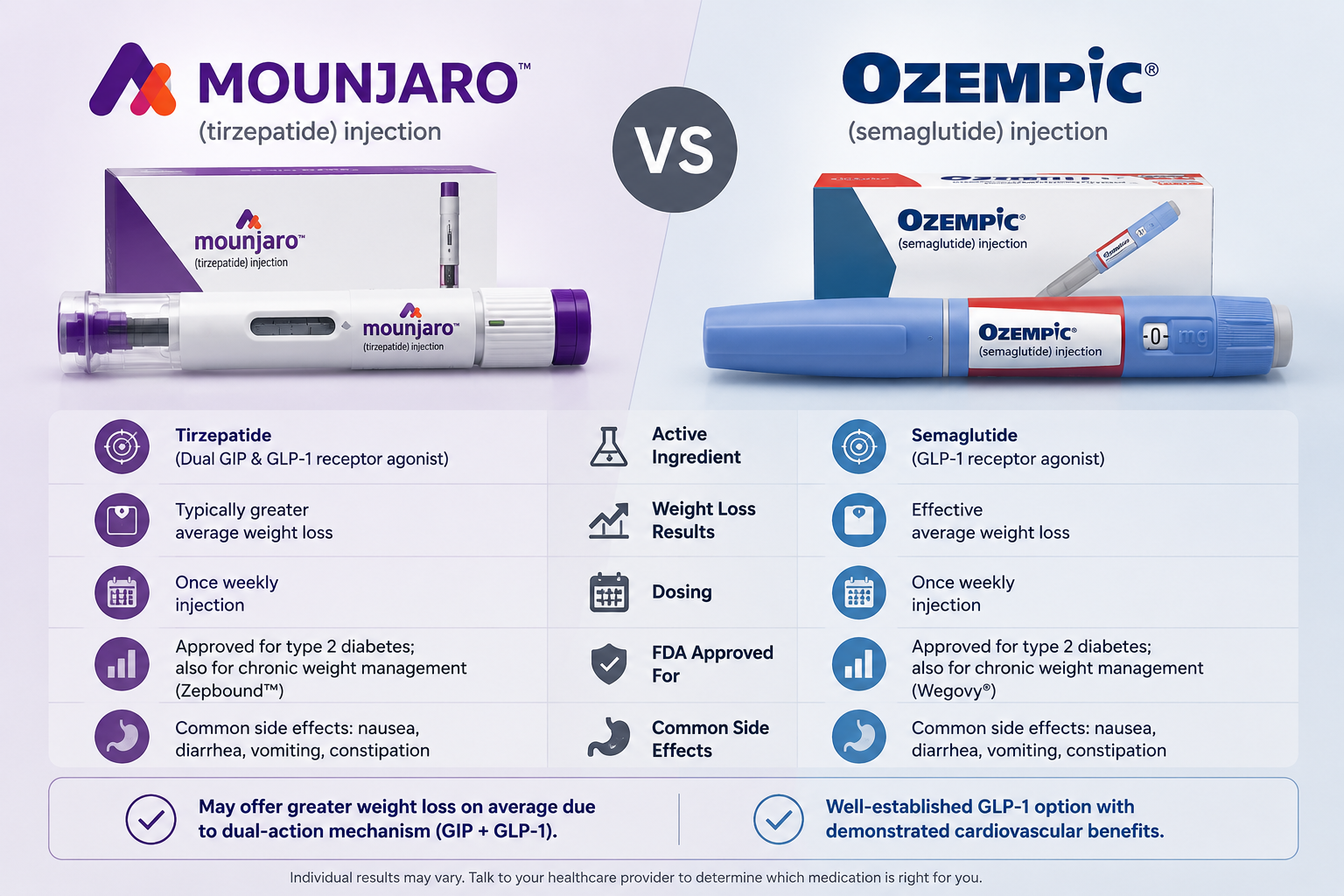
GLP-1 medications such as Mounjaro, Ozempic, and Wegovy have changed the weight loss industry in 2026. Many people experience significant appetite reduction and noticeable weight loss, but not everyone gets the same results.
One of the biggest reasons is simple: medication alone is not enough.
While GLP-1 treatments can reduce hunger and cravings, long-term success still depends on daily habits, consistency, and proper medical guidance. Small mistakes can slow progress, increase side effects, or even lead to regaining weight later.
Understanding these common mistakes can help you get safer, faster, and more sustainable results.
Mistake #1: Expecting Instant Weight Loss
One of the most common misconceptions about GLP-1 medications is expecting dramatic results immediately.
Many people assume the medication will cause rapid weight loss within days, but healthy and sustainable progress takes time.
Most users typically experience:
- Appetite reduction within the first few weeks
- Gradual weight loss over several months
- Better long-term results with consistency
Weight loss speed depends on factors like:
- Starting weight
- Dosage level
- Diet quality
- Physical activity
- Sleep and stress levels
According to the National Institutes of Health, sustainable weight loss requires long-term metabolic and lifestyle changes—not quick fixes. Learn more here: https://www.nih.gov
Patience is critical. Many successful users focus on building healthier habits rather than obsessing over weekly scale changes.
Mistake #2: Not Eating Enough Protein
Because GLP-1 medications reduce appetite so effectively, many people unintentionally eat too little protein.
This becomes a problem because protein helps:
- Preserve muscle mass
- Support metabolism
- Improve satiety
- Maintain energy levels during weight loss
Without enough protein, rapid weight loss may lead to muscle loss instead of primarily fat reduction.
High-protein foods include:
- Eggs
- Chicken or lean meats
- Greek yogurt
- Fish
- Protein shakes
Many healthcare providers recommend prioritizing protein intake while using GLP-1 medications.
Mistake #3: Ignoring Side Effects
Some people attempt to “push through” side effects without adjusting their habits or consulting their provider.
The most common GLP-1 side effects include:
- Nausea
- Constipation
- Diarrhea
- Bloating
- Fatigue
These symptoms are usually temporary, but poor eating habits often make them worse.
To reduce side effects:
- Eat smaller meals
- Avoid greasy or heavy foods
- Drink enough water
- Increase doses gradually
- Stop eating once full
Many users notice side effects improve significantly after the first few weeks.
For more guidance on GLP-1 side effects, visit:
👉 https://comparetelehealth.com/blog-posts/
Mistake #4: Relying Only on Medication
GLP-1 medications are powerful tools, but they work best when combined with healthy lifestyle habits.
Some people continue:
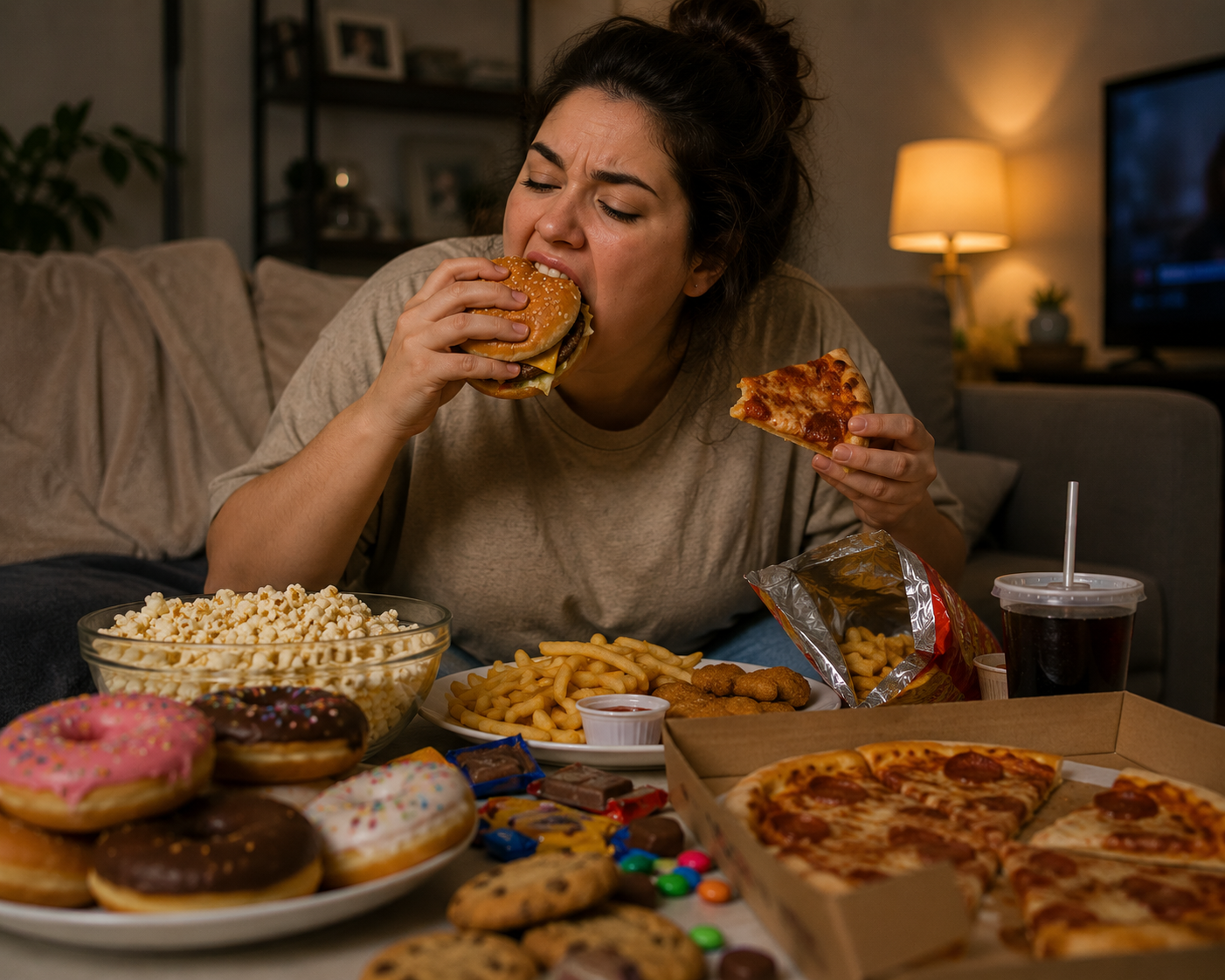
- Eating highly processed foods
- Avoiding physical activity
- Sleeping poorly
- Ignoring stress management
This limits long-term success.
The most successful users combine medication with:
- Balanced nutrition
- Increased protein and fiber intake
- Walking or regular exercise
- Better sleep habits
- Consistent hydration
Think of GLP-1 as a support system—not a replacement for healthy routines.
Mistake #5: Stopping Too Early
Another common mistake is quitting treatment too soon.
Some users stop once they lose a certain amount of weight without creating a long-term maintenance plan. Unfortunately, this often leads to regaining weight.
Weight regain may happen because:
- Appetite returns
- Old habits come back
- Lifestyle changes were never fully developed
Long-term success usually requires:
- Consistent healthy routines
- Ongoing monitoring
- Gradual transitions off medication if needed
Healthcare providers often recommend a long-term strategy rather than viewing GLP-1 treatment as a short-term crash solution.
How Telehealth Helps Improve Results
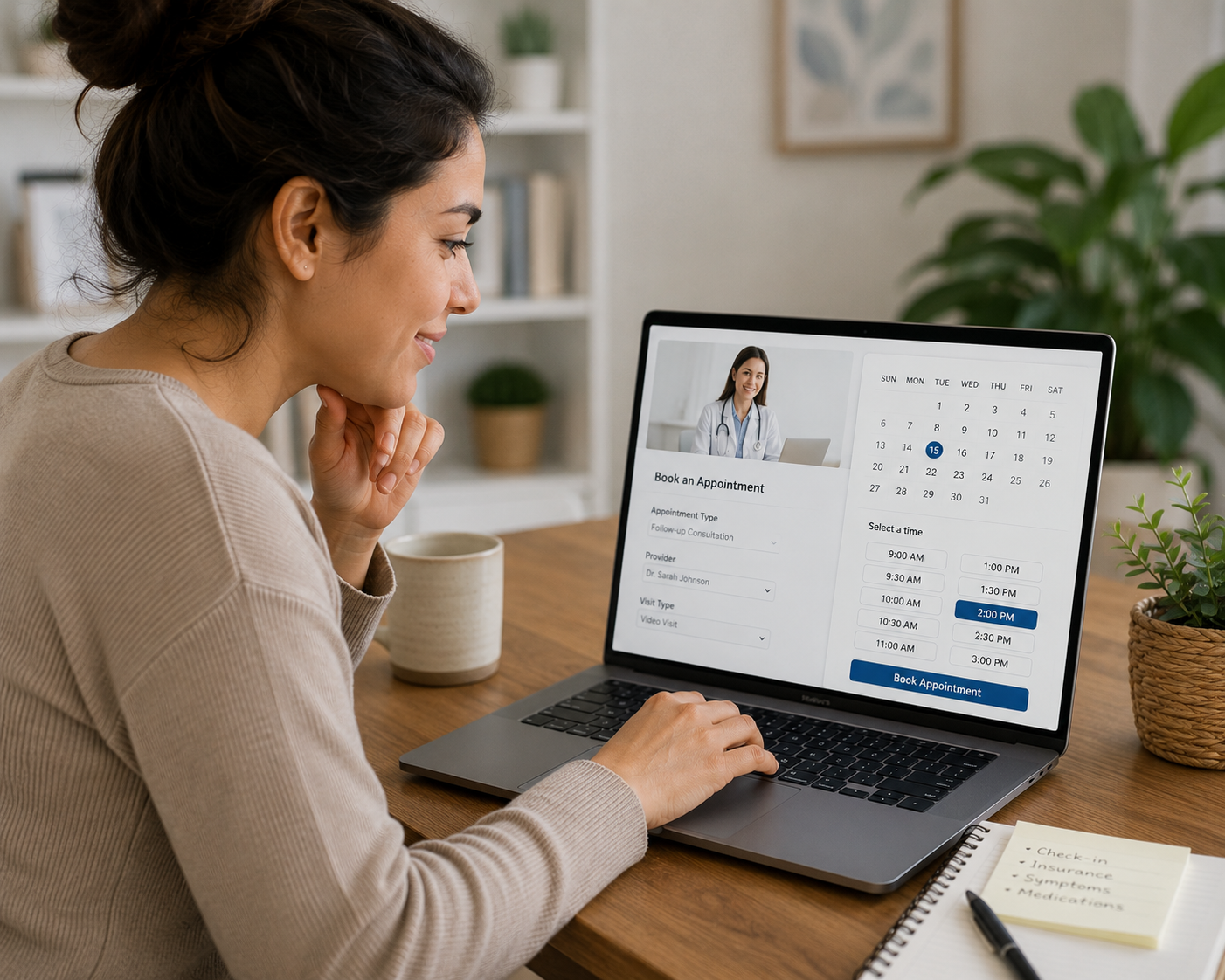
One reason telehealth has become so popular for GLP-1 treatment is ongoing support.
Online providers often offer:
- Regular check-ins
- Dose adjustments
- Side effect monitoring
- Nutrition guidance
- Long-term progress tracking
This makes treatment more manageable and accessible for people with busy schedules.
To compare telehealth providers, visit:
👉 https://comparetelehealth.com/
Final Thoughts
GLP-1 medications can be incredibly effective for weight loss, but avoiding common mistakes is essential for long-term success. The best results happen when medication is combined with healthy habits, proper nutrition, and ongoing medical support.
By understanding how these treatments work—and what mistakes to avoid—you can improve your results while minimizing side effects and setbacks.