The Benefits of a Hybrid Urgent Care Model

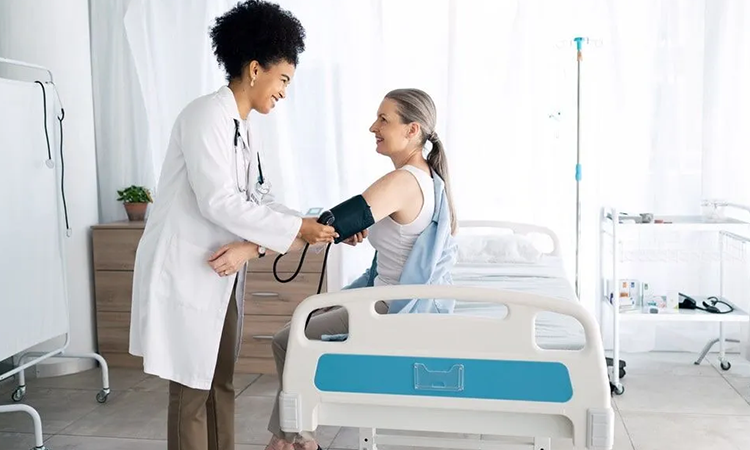
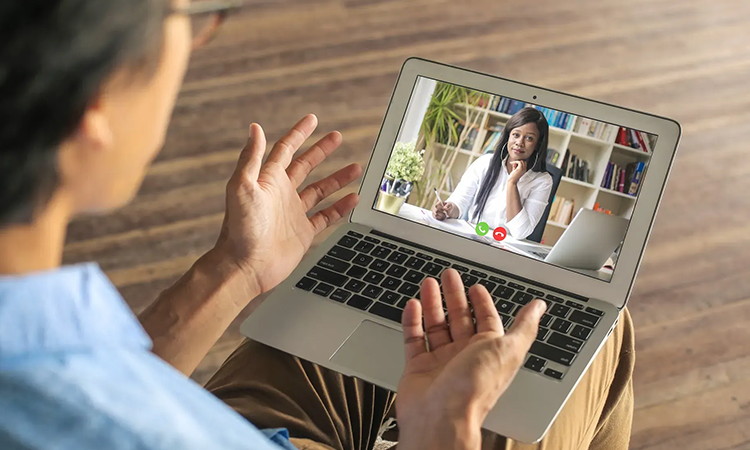
The hybrid model of care—combining telehealth assessments with in-person interventions—has become an essential bridge between accessibility and safety. Research from BMC Medicine highlights how remote monitoring tools, such as digital blood pressure tracking and virtual prenatal checkups, are helping expectant mothers maintain consistent care without frequent clinic visits. Similarly, findings from BMC Pregnancy and Childbirth indicate that postpartum women prefer hybrid follow-ups for flexibility and convenience.

In the U.S., hybrid prenatal programs have also been studied for their impact on health equity. A JAMA Network Open study found that minority and urban populations were more likely to adopt hybrid prenatal care than rural groups, underlining the importance of improving access in rural settings.

Applications in Women’s Urgent Health

Telehealth and hybrid urgent care are now used to manage semi-urgent and critical conditions such as abnormal vaginal bleeding, urinary infections, postpartum infections, or access to emergency contraception. For early pregnancy complications or suspected miscarriages, teleconsultations provide essential triage and monitoring, allowing clinicians to advise when immediate in-person care is necessary.

In regions where it is legally permitted, remote medical abortion has proven safe and effective. Research from arXiv shows that most patients who accessed abortion medications through teleconsultation completed treatment successfully without needing in-clinic procedures. Such digital interventions are expanding reproductive healthcare access to women who might otherwise be unable to seek help safely and privately.

Challenges and Barriers to Access

Despite promising results, the expansion of tele-urgent care for women faces key obstacles. Poor internet connectivity, digital literacy gaps, and data privacy concerns are recurring issues, especially in low-income or rural regions. A recent analysis from arXiv emphasized that women from low-income households often lack the digital tools needed to access remote healthcare effectively.

The University of South Carolina’s public health study also revealed disparities in telehealth adoption, with rural populations lagging behind urban areas in hybrid prenatal and gynecologic care. These findings stress the need for stronger digital infrastructure and equitable healthcare funding models.

Toward a Safer and More Inclusive Future

Experts from Telemedicine and e-Health Journal advocate expanding telehealth systems to help reduce preventable maternal deaths through timely interventions and improved postpartum monitoring. However, success depends on robust regulations, clear triage guidelines, and secure data systems to protect sensitive reproductive health information.

For telehealth and hybrid urgent care to reach their full potential, policymakers must invest in broadband infrastructure, ensure reimbursement parity for remote consultations, and provide training for healthcare workers. Equally important is building patient trust through secure, transparent communication and culturally sensitive service delivery.

Conclusion

Women’s urgent health via tele/hybrid services represents a powerful evolution in healthcare delivery—balancing technology, compassion, and accessibility. As studies from WHO EMRO, BMC Medicine, and Telemedicine and e-Health Journal continue to demonstrate, telehealth is not a replacement for in-person care but an essential complement to it. With the right systems in place, this hybrid model can bridge health inequities, empower women, and redefine how urgent healthcare is delivered worldwide.

Late-Night Care Where to Go When Clinics Are Closed

May 1, 2026

Women’s Urgent Health in 2025: How Tele/Urgent Hybrid Services Are Redefining Care Access

April 28, 2026

Online Weight Loss Treatments in 2025: GLP-1 Medications and the Future of Weight Management

April 21, 2026

Telehealth Weight Loss Programs in 2026: Do They Really Work?

April 21, 2026

The Ozempic Economy: How Mounjaro and GLP-1 Drugs Are Quietly Reshaping Society

June 5, 2026

Preventing Muscle Loss During Rapid Weight Loss

May 14, 2026