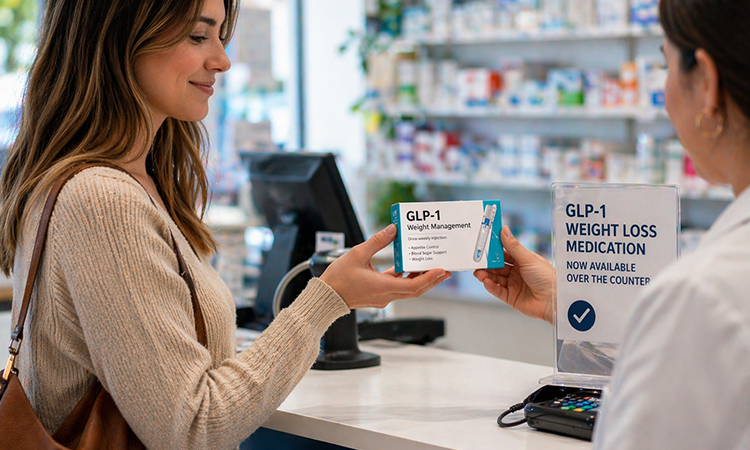
In 2026, GLP-1 medications have taken center stage as the leading trend in weight loss. Originally developed to treat type 2 diabetes, these drugs are now widely used for their powerful effects on appetite control and metabolism.
GLP-1, or glucagon-like peptide-1, is a hormone that helps regulate blood sugar levels and signals feelings of fullness. By mimicking this hormone, GLP-1 medications help reduce hunger, slow digestion, and make it easier for people to consume fewer calories.
This shift has changed the way people think about weight loss—from relying solely on diet and exercise to combining lifestyle changes with medically guided treatments.
The rise of GLP-1 drugs is driven by both scientific results and widespread visibility. According to the National Institutes of Health, clinical studies have shown significant weight loss outcomes among patients using GLP-1-based treatments. Learn more here: https://www.nih.gov
These medications have gained popularity due to:
- Noticeable weight loss results in clinical studies
- Reduced appetite and improved portion control
- Support for long-term weight management
- Growing availability through telehealth platforms
At the same time, social media and celebrity endorsements have amplified awareness, making GLP-1 drugs a mainstream topic rather than a niche medical solution.
Telehealth has played a major role in accelerating this trend. Instead of visiting specialized clinics, patients can now consult licensed healthcare providers online and receive prescriptions conveniently.
With telehealth, users can:
- Complete online health assessments
- Consult with doctors remotely
- Receive prescriptions and medication delivery
- Get ongoing monitoring and support
This accessibility has made GLP-1 treatments more widely available, contributing to their rapid adoption.
Despite their popularity, GLP-1 medications are not a magic solution. They work best when combined with healthy lifestyle habits, including proper nutrition, regular exercise, and long-term behavior changes.
Potential considerations include:
- Possible side effects such as nausea or digestive discomfort
- The need for ongoing medical supervision
- Costs that may vary depending on provider and location
- The importance of maintaining results after stopping medication
Understanding these factors helps set realistic expectations and ensures safe use.
GLP-1 medications have become the #1 weight loss trend for a reason—they offer a scientifically backed, effective way to support weight loss when used correctly. With the added convenience of telehealth, more people than ever can access these treatments. Still, long-term success depends on consistency, proper guidance, and a commitment to overall health.