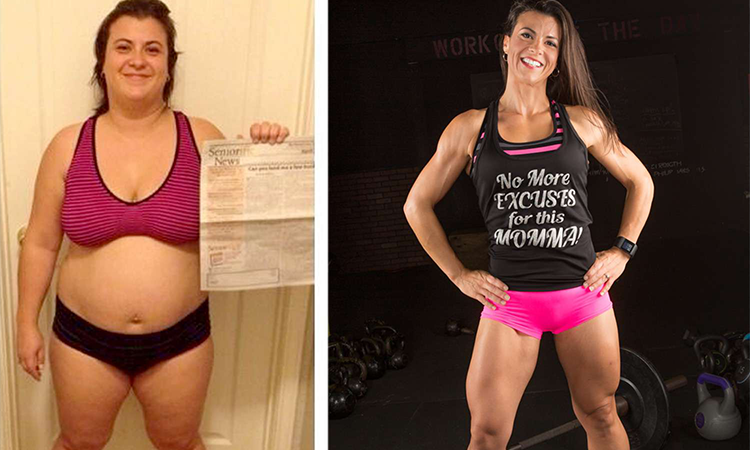
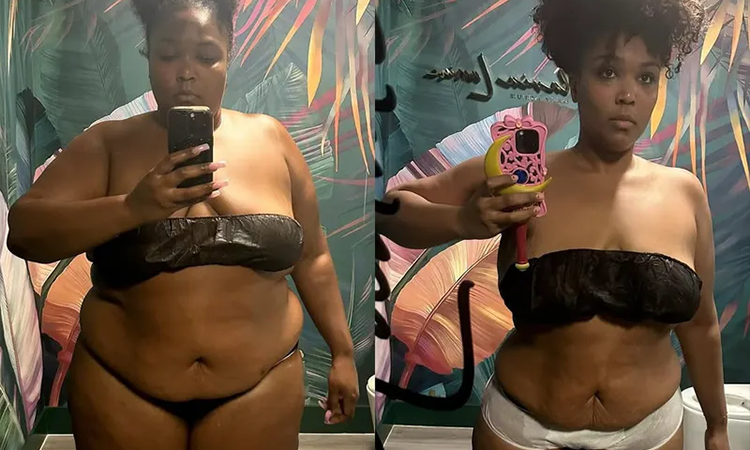
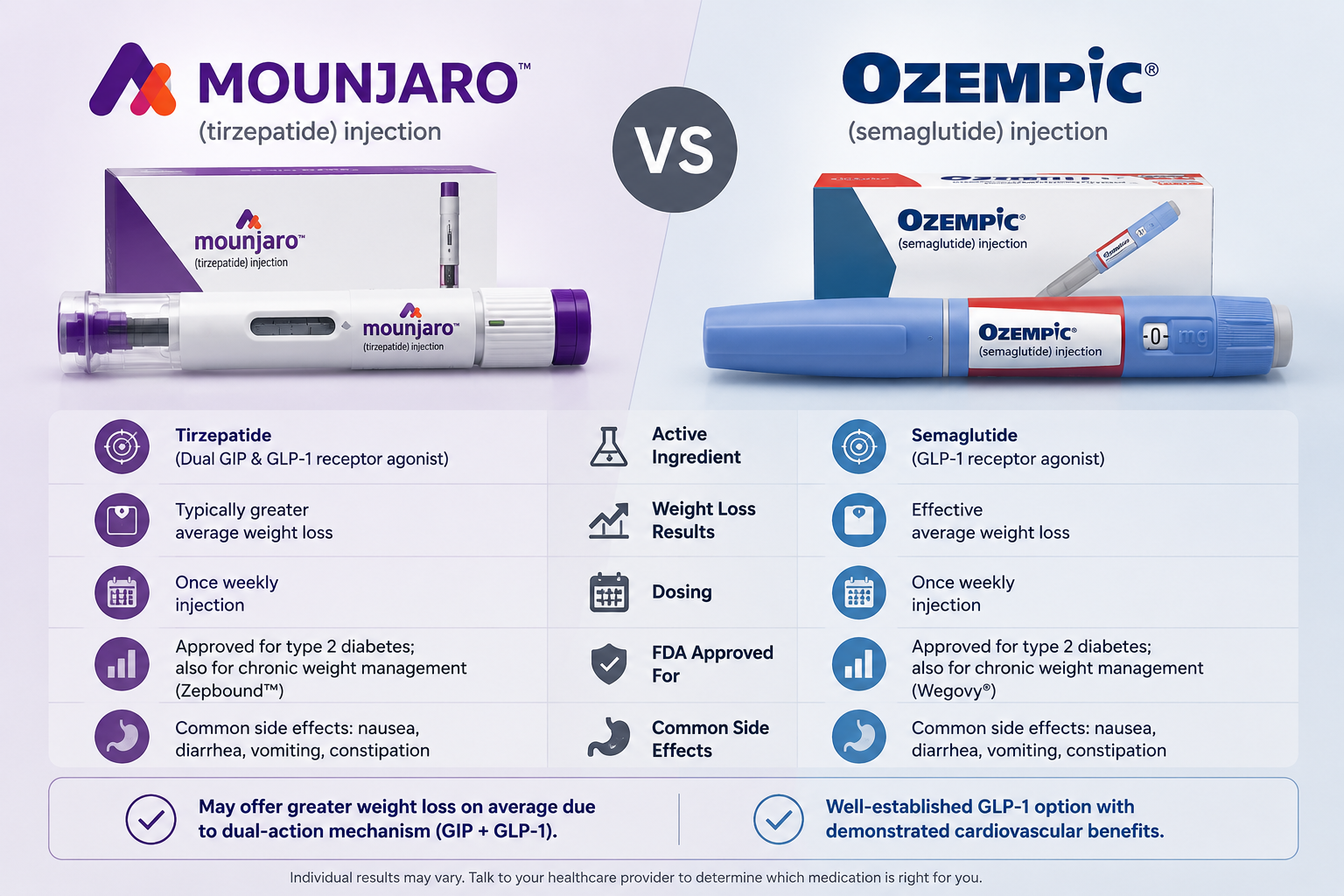
In recent years, platforms like CompareTelehealth have helped consumers evaluate healthcare solutions by comparing effectiveness, accessibility, and long-term outcomes. Using the same evidence-based framework applied to telehealth and psychotherapy, this guide evaluates what defines the top rated weight loss program in 2026—and what actually works for sustainable fat loss.

Similar to how CompareTelehealth evaluates telehealth vs face-to-face psychotherapy, we assessed modern weight loss programs using the following criteria:
Programs relying solely on restrictive dieting or rapid weight loss tactics were excluded.
For clinical alignment, evaluation standards were cross-referenced with guidance from the Harvard T.H. Chan School of Public Health on evidence-based weight loss strategies:
https://www.hsph.harvard.edu/nutritionsource/weight-loss/
Much like outdated in-person-only mental health models discussed on CompareTelehealth, traditional weight loss programs often fail due to:
According to the National Institute of Diabetes and Digestive and Kidney Diseases (NIDDK), most individuals regain lost weight when long-term behavioral systems are not addressed:

Modern programs align with global health recommendations such as those published by the World Health Organization (WHO) on obesity and metabolic health:
https://www.who.int/news-room/fact-sheets/detail/obesity-and-overweight
Instead of rigid meal plans, top programs adapt calorie targets, food choices, and eating patterns to the individual.
Just as teletherapy has proven effective for less common mental health conditions, weight loss programs in 2026 emphasize:
This behavior-first approach mirrors outcomes seen in successful digital healthcare models reviewed by CompareTelehealth.
Clinical behavior-based frameworks are also supported by the Cleveland Clinic:
https://health.clevelandclinic.org/weight-loss/
The most effective programs combine:
This hybrid model parallels telehealth’s success: accessibility without sacrificing care quality.
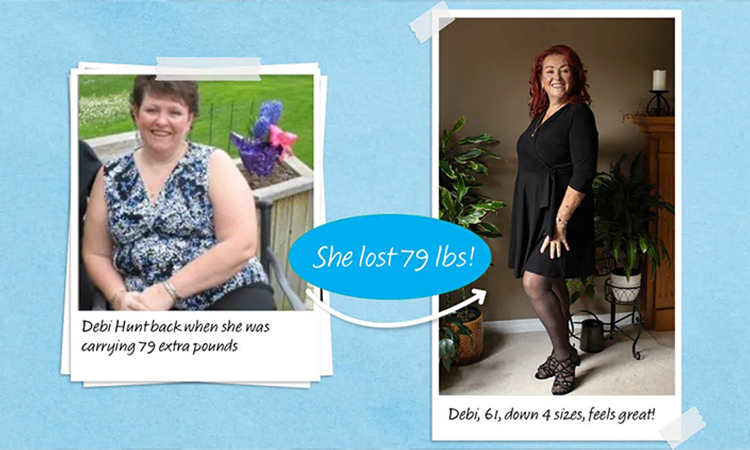

These programs are especially effective for:
Medical institutions like the Mayo Clinic emphasize similar long-term approaches:
https://www.mayoclinic.org/healthy-lifestyle/weight-loss
No. Just as psychotherapy outcomes don’t rely on medication alone, top rated weight loss programs in 2026 prioritize:
Supplements may support deficiencies but are not foundational.


“High quality and very reliable. I’ve tried similar products before, but this one clearly stands out for its simplicity and performance. I would definitely recommend it to anyone looking for a dependable option.”


“The quality really stood out the moment I started using it. Everything feels well-made and carefully put together. I’ll definitely be sticking with this product long term.”
There is no single solution for everyone—but the highest-rated weight loss programs in 2026 share these traits:
✔ Personalized
✔ Evidence-based
✔ Behavior-focused
✔ Digitally accessible
✔ Designed for long-term success
Programs promising rapid results without lifestyle change follow the same flawed logic as outdated healthcare models—and consistently underperform.