Best GLP-1 Products for Weight Loss in 2026: Compare Options, Benefits, and Risks

GLP-1 receptor agonists are transforming weight loss and diabetes management, but choosing the right product can be overwhelming. From semaglutide and liraglutide to newer options like tirzepatide, each offers unique benefits, dosing schedules, and potential side effects.

Lily Martin

Lily Martin is a seasoned author with over a decade of experience in writing fiction and non-fiction. Her works often explore themes of identity, culture, and the human experience, resonating with readers from diverse backgrounds.

What Are GLP-1 Receptor Agonists?

GLP-1 receptor agonists are a class of medications used primarily for managing diabetes and promoting weight loss. They mimic the action of a hormone called glucagon-like peptide-1. This hormone plays a vital role in regulating appetite and glucose metabolism.

These medications work by enhancing the body's natural processes. They stimulate insulin secretion and inhibit glucagon release. This helps maintain blood sugar levels and curbs hunger.

GLP-1 receptor agonists also slow down the rate at which food leaves the stomach. This leads to increased feelings of fullness after meals. Consequently, individuals consume fewer calories, aiding in weight loss.

The administration of GLP-1 medications is usually via injection. The frequency of these injections varies depending on the specific product. Some are taken daily, while others are weekly.

Key benefits of GLP-1 receptor agonists include:

  • Improved blood sugar control.
  • Significant weight loss.
  • Reduced risk of cardiovascular events in people with type 2 diabetes.

It's important to note that these medications are not suitable for everyone. Those with a history of thyroid issues or pancreatic diseases should avoid them. A healthcare provider can offer guidance on whether GLP-1 drugs are appropriate for you.

Research on GLP-1 receptor agonists continues to evolve. Scientists are exploring new applications and potential benefits. These could extend beyond weight loss and diabetes management, opening doors to new therapeutic possibilities.

How GLP-1 Products Work for Weight Loss

GLP-1 products have revolutionized weight loss strategies. They function by modifying natural hormone pathways. This leads to reduced calorie intake and increased satiety.

These medications mimic the GLP-1 hormone. They send signals to the brain, enhancing feelings of fullness. This helps to prevent overeating and aids in portion control.

In addition, GLP-1 products slow gastric emptying. This means food remains in the stomach longer. As a result, hunger pangs decrease between meals.

Key mechanisms by which GLP-1 products aid weight loss:

  • Enhance insulin action, keeping blood sugar stable.
  • Decrease glucagon secretion, preventing spikes in blood sugar.
  • Lower appetite by affecting appetite-regulating brain areas.

These effects collectively promote sustainable weight management. People using these drugs often see significant weight reductions over time.

However, success with GLP-1 products often requires lifestyle adjustments. Incorporating healthy eating and regular physical activity is crucial. These habits, combined with GLP-1 therapy, optimize weight loss outcomes.

Healthcare providers play a key role in guiding therapy. They tailor GLP-1 use to fit individual health profiles. This customization ensures both safety and effectiveness, delivering the best results for weight management.

Overview of Leading GLP-1 Products

A variety of GLP-1 receptor agonists are available in the market. Each product offers distinct benefits. These differences cater to diverse health needs and preferences.

Notable GLP-1 products include:

  • Semaglutide: Marketed as Ozempic and Wegovy.
  • Liraglutide: Known as Saxenda and Victoza.
  • Exenatide: Found in Byetta and Bydureon.
  • Tirzepatide: Recently available as Mounjaro and Zepbound.

These products have varying dosages and administration frequencies. Some are injected daily, while others are weekly. Understanding these details helps in choosing the right one.

Each medication works through the same general mechanism. Yet, individual response and side effect profiles may vary. Consulting a healthcare provider is essential for personalized guidance.

Semaglutide (Ozempic, Wegovy)

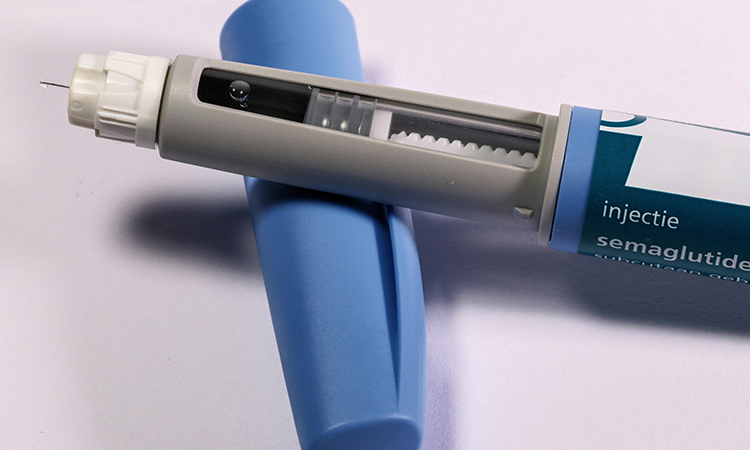
Semaglutide is renowned for its exceptional weight loss benefits. Available as Ozempic and Wegovy, it has rapidly gained popularity. These medications have shown significant success in clinical trials.

by Haberdoedas (https://unsplash.com/@haberdoedas)

Unlike some GLP-1 products, semaglutide is typically administered once a week. This makes it convenient for many users. Its extended action supports steady hormone regulation.

Clinical data supports semaglutide's effectiveness. Studies report average weight reductions of up to 15%. Such results make it a preferred option for substantial weight loss.

Key features of semaglutide include:

  • Weekly dosing schedule for ease of use.
  • Substantial weight reduction results.
  • Positive impacts on blood sugar control.

Despite its effectiveness, semaglutide might cause side effects. Common issues include nausea and digestive discomfort. It is crucial to monitor and address these with a healthcare provider.

Liraglutide (Saxenda, Victoza)

Liraglutide stands out among GLP-1 products. Known as Saxenda for weight loss and Victoza for diabetes, it offers versatility. This drug can address multiple health concerns.

Liraglutide is administered daily. Its regular usage helps stabilize metabolic processes. This consistency can improve adherence and outcomes.

Its benefits extend beyond weight management. Liraglutide also enhances cardiovascular health. Reducing risks of heart disease is an added advantage.

Noteworthy features of liraglutide:

  • Daily injections for consistent hormone release.
  • Supports cardiovascular health.
  • Dual role in weight loss and diabetes care.

However, some users experience side effects. These commonly include nausea and headache. Monitoring tolerance levels with healthcare support is advised.

Exenatide (Byetta, Bydureon)

Exenatide serves as a robust diabetes treatment. It’s available as Byetta and Bydureon. These options cater to varying needs, such as dosage frequency.

Byetta is administered twice daily. In contrast, Bydureon features a weekly dosing schedule. This flexibility suits different lifestyle preferences.

Exenatide helps regulate blood sugar levels effectively. Its usage can also lead to secondary weight loss benefits. This makes it valuable for those managing both issues.

Distinct elements of exenatide include:

  • Two dosing options: daily and weekly.
  • Effective blood glucose regulation.
  • Supportive in modest weight reduction.

Despite its advantages, exenatide may cause digestive issues. Users should consult healthcare providers to manage these effects.

Tirzepatide (Mounjaro, Zepbound)

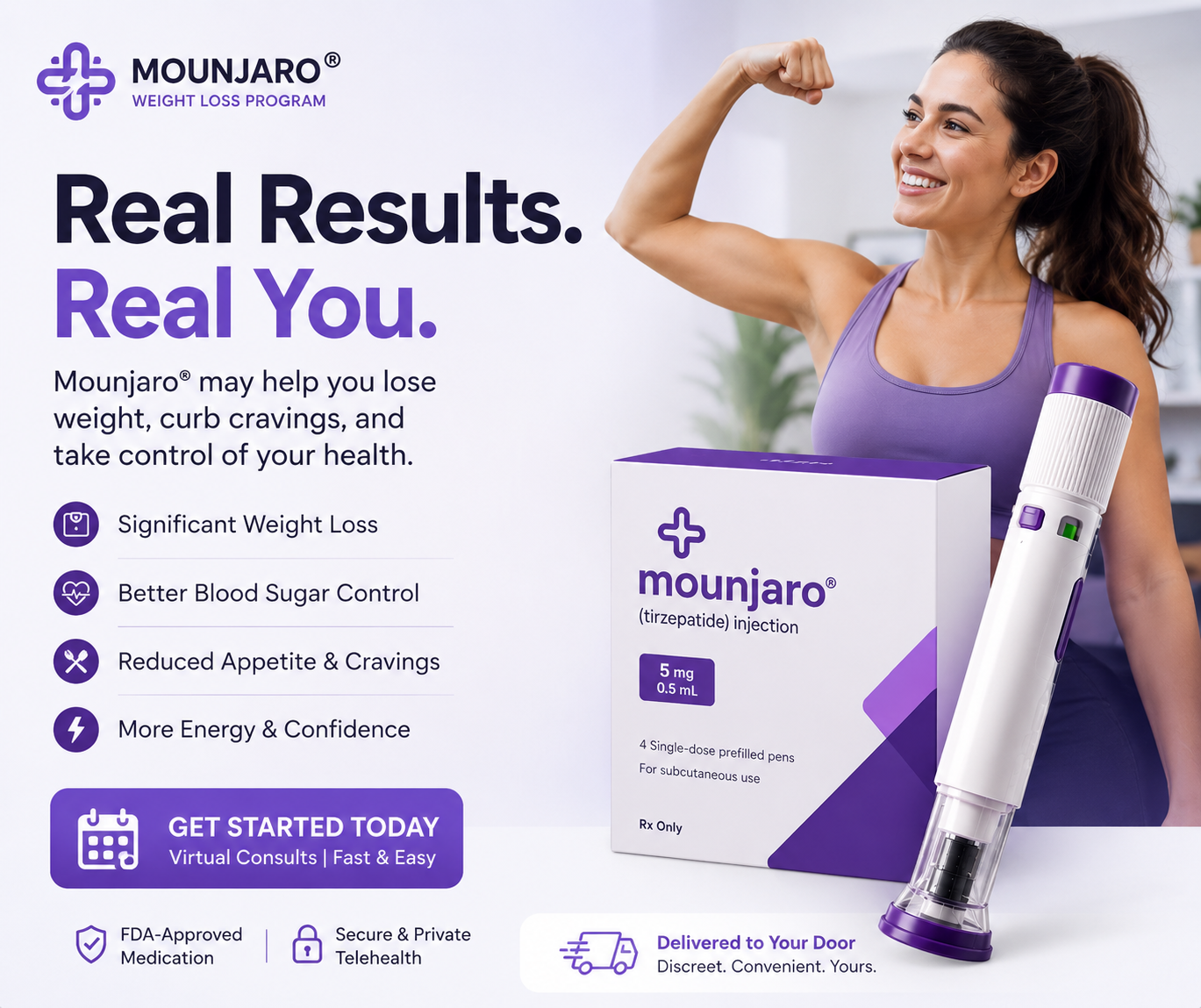
Tirzepatide is a new contender among GLP-1 products. Marketed as Mounjaro and Zepbound, it offers promising results. Its dual-action increases its appeal.

Unlike many GLP-1 agonists, tirzepatide targets two pathways. It combines GLP-1 and GIP, enhancing weight and glucose management. This dual mechanism makes it unique.

Clinical trials highlight tirzepatide’s effectiveness. Participants experienced notable weight loss and improved insulin sensitivity. Its comprehensive benefits attract many users.

Key aspects of tirzepatide include:

  • Dual hormone action for enhanced efficacy.
  • Significant weight loss seen in trials.
  • Improved insulin action and glucose management.

Possible side effects still mirror other GLP-1 products. Users often report gastrointestinal discomfort. Careful monitoring and professional guidance are advisable.


Comparing the Best GLP-1 Products: Efficacy and Safety

Understanding the efficacy and safety of GLP-1 products is crucial. Each product offers unique benefits and potential drawbacks.

Efficacy Factors:

  • Weight Loss Potential: Products like semaglutide are known for substantial weight reductions, often more than 10% of body weight.
  • Blood Sugar Control: Exenatide and liraglutide have strong diabetes management capabilities, helping maintain stable glucose levels.
  • Cardiovascular Benefits: Liraglutide's ability to reduce heart disease risk stands out.

Despite their effectiveness, GLP-1 products can cause side effects. Understanding these is vital for safe use. Common issues include gastrointestinal discomforts like nausea and diarrhea.

Safety Considerations:

  • Digestive Issues: Nausea and stomach upset are frequently reported across all products.
  • Serious Risks: Rare conditions like pancreatitis may occur, requiring immediate medical attention.
  • Suitability: These medications aren't ideal for individuals with certain thyroid conditions.

Comparing GLP-1 products based on these aspects can guide informed decisions. Effectiveness and tolerance vary among individuals, so personal factors should heavily influence choice.

Product Highlights:

  1. Semaglutide:
    • Highest weight loss efficacy.
    • Weekly dosing for convenience.
  2. Liraglutide:
    • Strong dual-use for weight and diabetes.
    • Daily administration may benefit steady hormonal balance.
  3. Exenatide:
    • Offers flexible dosing schedules.
    • Primarily targets diabetes with added weight loss benefits.

These factors underline the importance of personalized healthcare advice. Discussing options with a professional ensures that treatment aligns with specific health needs and lifestyle factors.

GLP-1 Side Effects: What to Expect

Before using GLP-1 products, it's important to understand their potential side effects. As with any medication, responses can vary from person to person. Here’s a breakdown of what to anticipate:

Common Side Effects

Many users experience mild side effects initially. These often subside over time as the body adjusts.

  • Nausea: Frequently reported, especially at the start of treatment.
  • Vomiting: Usually occurs alongside nausea and often improves with continued use.

Other typical issues include:

  • Diarrhea: Can be mild to moderate, influencing comfort.
  • Constipation: Some users report constipation instead of diarrhea.

Serious Side Effects

While rare, some side effects are more serious and warrant immediate medical attention.

  • Pancreatitis: Uncommon but serious inflammation that requires vigilance.
  • Gallbladder Disease: Includes conditions like gallstones, which may develop during treatment.

Awareness of these potential issues can help manage them promptly. Users should monitor their health and consult healthcare providers with concerns. The severity of side effects can influence the choice of product and its use.

Potential Risks to Consider:

  1. Renal Concerns: Kidney issues, though infrequent, may arise.
  2. Allergic Reactions: Rash, swelling, or difficulty breathing are signals to seek help.

Understanding these risks enables better preparation and ensures safer and more effective use of GLP-1 products. Always discuss possible side effects with a healthcare provider prior to starting any new medication regimen.

Who Should (and Should Not) Use GLP-1 Products?

GLP-1 products are effective for specific groups of individuals. People with type 2 diabetes often benefit significantly, as these medications help regulate blood sugar levels and promote weight loss. Those struggling with obesity, especially with weight-related health issues, might also see improvements.

However, not everyone is suited for GLP-1 therapy. Individuals with a history of certain medical conditions should exercise caution.

Not Suitable For:

  • Medullary Thyroid Carcinoma: Those with this type of cancer should avoid GLP-1 products.
  • Multiple Endocrine Neoplasia Syndrome Type 2: These medications may pose a risk.

Additionally, people with severe kidney problems or pancreatitis history need careful assessment. Consulting a healthcare provider ensures a thorough evaluation of risks and benefits. Tailoring treatment to individual health profiles can maximize effectiveness while minimizing potential harm. Each candidate’s unique health background plays a crucial role in determining the suitability of GLP-1 products.

Insurance, Cost, and Accessibility of GLP-1 Products

Navigating the cost of GLP-1 products can be challenging. These medications are often expensive, which may limit accessibility for some individuals. Understanding insurance options is vital for managing these costs effectively.

Insurance coverage for GLP-1 products varies. Some plans may provide partial or full coverage, while others may not cover them at all. It's important to consult with your insurance provider to determine what benefits are available.

Here are some steps to explore your options:

  • Check Insurance Plans: Review your policy for specific coverage details.
  • Seek Assistance: Inquire about prescription assistance programs.
  • Discuss with Healthcare Provider: Consider cost-effective alternatives.
See what other people’s experiences are.

Ava Martinez

"The product was easy to use and felt thoughtfully designed. It does exactly what it says and fits seamlessly into my routine. The only reason I didn’t give five stars is that I’d love to see a few more options for customization."

Sophia Nguyen

“I was impressed with how straightforward this product is to set up and use. The packaging was professional, and everything worked as expected. A couple of small tweaks could make it even better, but overall I’m happy with it.”

Frequently Asked Questions About GLP-1 Products

When considering GLP-1 products, many have questions. Understanding these products fully is essential. Here, we address some common inquiries.

How do GLP-1 products assist with weight loss? These medications mimic a natural hormone. They help control appetite and food intake.

Are there serious side effects to be concerned about? While generally well-tolerated, some serious side effects exist. It's important to be aware of pancreatitis risks.

Who should avoid using GLP-1 products? Individuals with certain conditions should avoid them. Those with a history of thyroid cancer, for example, may be advised against use.

What if my insurance does not cover GLP-1 medications? Options include exploring patient assistance programs. Some manufacturers offer discounts or savings cards.

How soon can one expect to see weight loss results? Results can vary. Generally, visible changes appear within several weeks with consistent use.

Can GLP-1 products be used alongside other medications? It's crucial to consult healthcare providers. This ensures the safe combination of treatments.

Here’s a quick checklist for users:

  • Consult Healthcare Provider: Before starting treatment.
  • Explore Financial Assistance: If needed.
  • Monitor Side Effects: Regularly report to a doctor.

Understanding and addressing these FAQs empowers users in their weight management journey with GLP-1 products.

The Future of GLP-1 Products: Research and Innovations

The landscape of GLP-1 products is rapidly evolving. Researchers are constantly exploring new formulations and combinations. These innovations promise more personalized treatments.

Recent studies focus on enhancing efficacy. They aim to reduce side effects while boosting weight loss benefits. Such advancements could revolutionize treatment protocols.

Here's what the future holds:

  • Improved Delivery Systems: Easier administration methods.
  • Dual-acting Agents: Combining GLP-1 with other hormones.
  • Broader Applications: Potential use in non-diabetic conditions.

With ongoing research, GLP-1 products may soon offer even greater health solutions. As studies progress, expect significant strides in patient care and outcomes.

Key Takeaways and Final Thoughts

Navigating the world of GLP-1 products can be challenging. Understanding their benefits and limitations is crucial. Here's a concise summary to guide you.

GLP-1 receptor agonists are game-changers in weight management. Their efficacy stems from mimicking natural hormones. However, they aren't without risks. Side effects and eligibility must be considered. Consultation with healthcare providers is vital for safe use.

When choosing a GLP-1 product, weigh your options carefully. Consider factors like side effects, cost, and frequency of administration. Align your choice with your lifestyle and health needs.

Recommended Reads

Primary Care Online

Urgent Care Telehealth

Women's Health Telehealth

Men's Health Telehealth

Mental Health & Therapy Online

Weight Loss Telehealth

The New Age of Healthcare in 2025: Why Telehealth Is Here to Stay

Perceptions and Challenges of Telehealth Obstetric Clinics in 2025: How Virtual Maternity Care Is Evolving

GLP-1 Side Effects Explained: Why You Feel Sick and How to Manage It