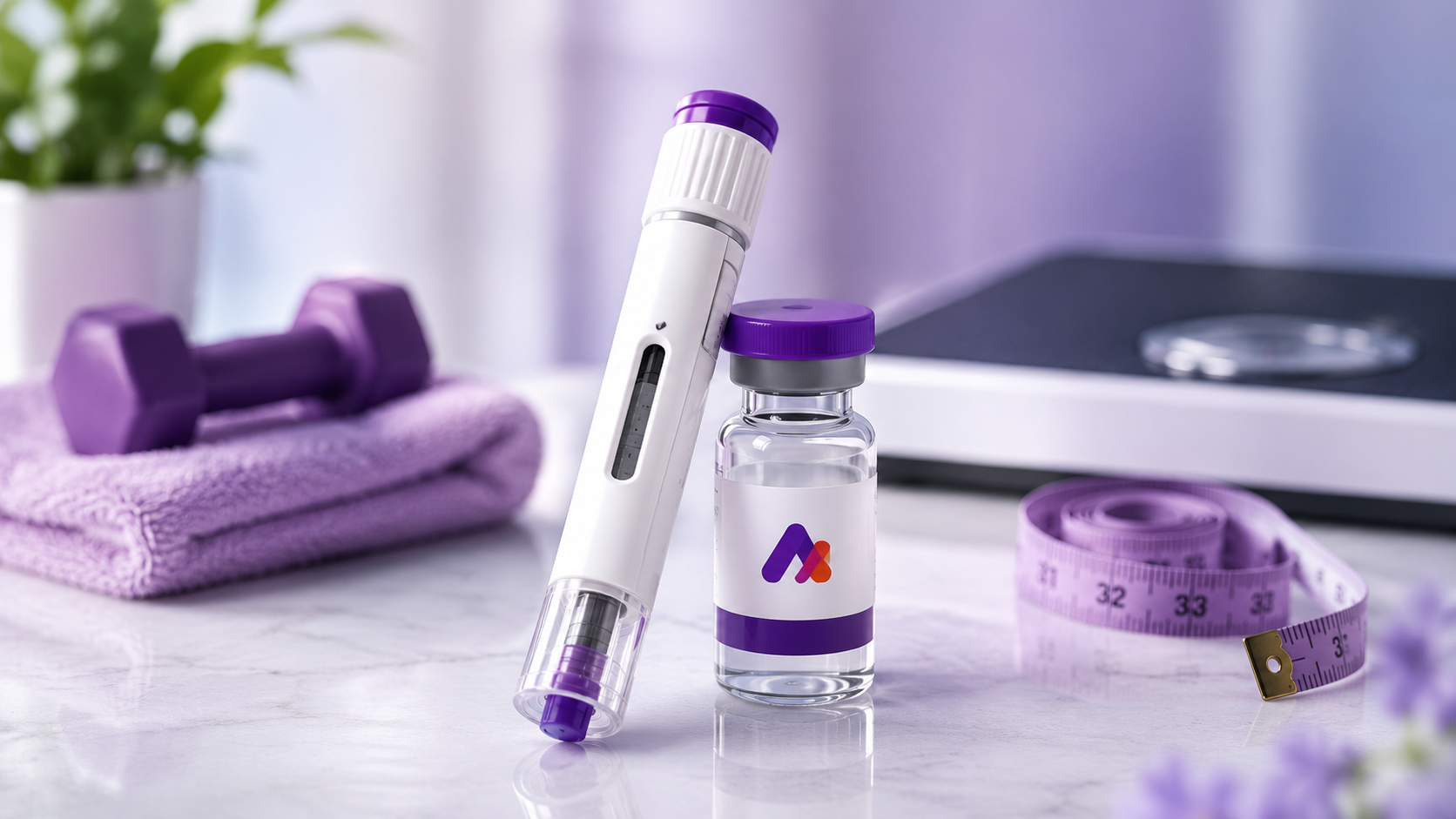
Discover how Mounjaro and GLP-1 medications are reshaping modern wellness, metabolic health, telehealth, and the future of human optimization in 2026.

Lily Martin

Modern wellness no longer looks like calorie-counting magazines and outdated diet plans.
Today’s consumers want:
According to McKinsey & Company (https://www.mckinsey.com), the global wellness industry is now valued at several trillion dollars, with consumers increasingly prioritizing personalized healthcare experiences over traditional reactive medicine.
The shift is cultural as much as it is medical.
People no longer want temporary transformation.
They want permanent biological advantage.
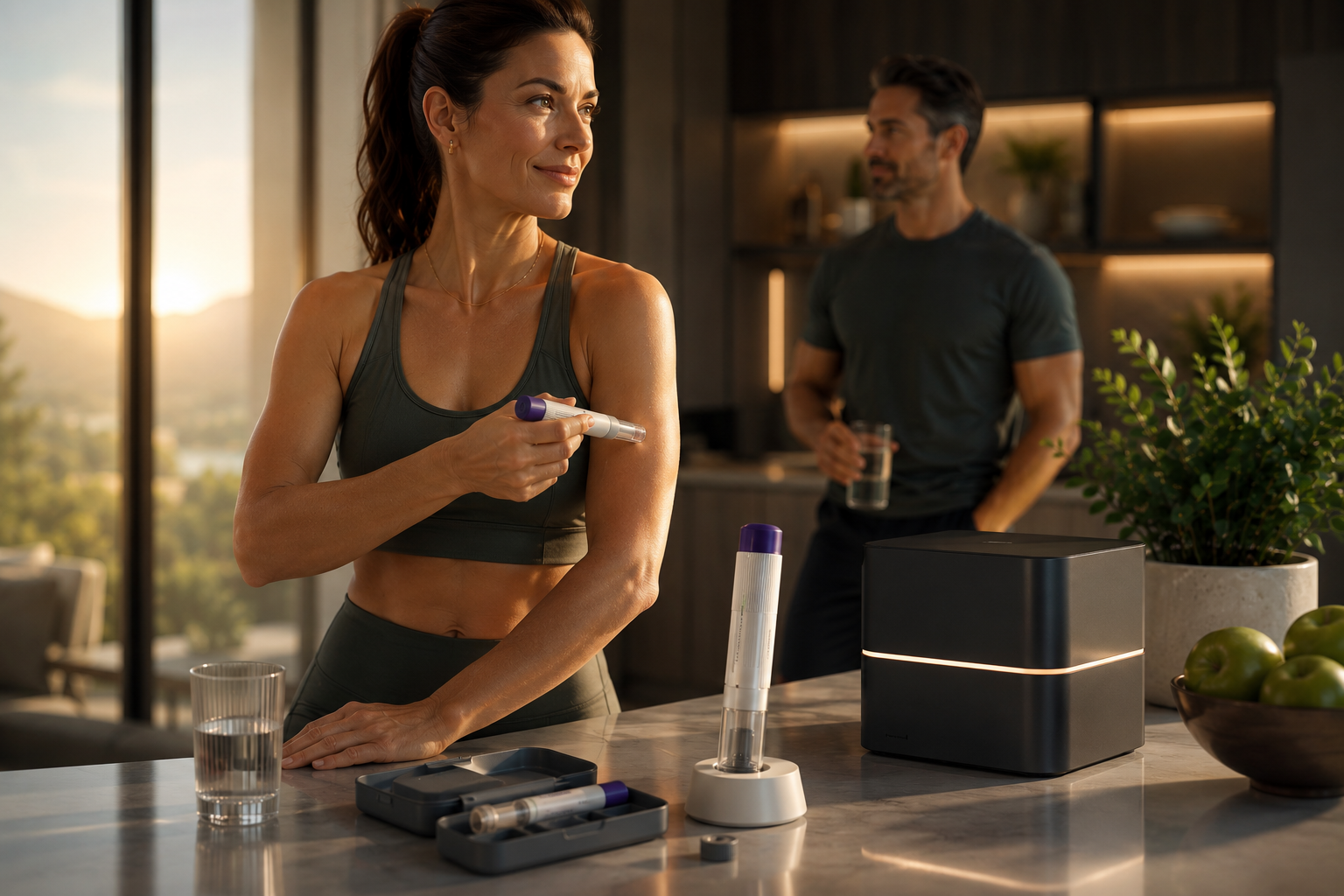
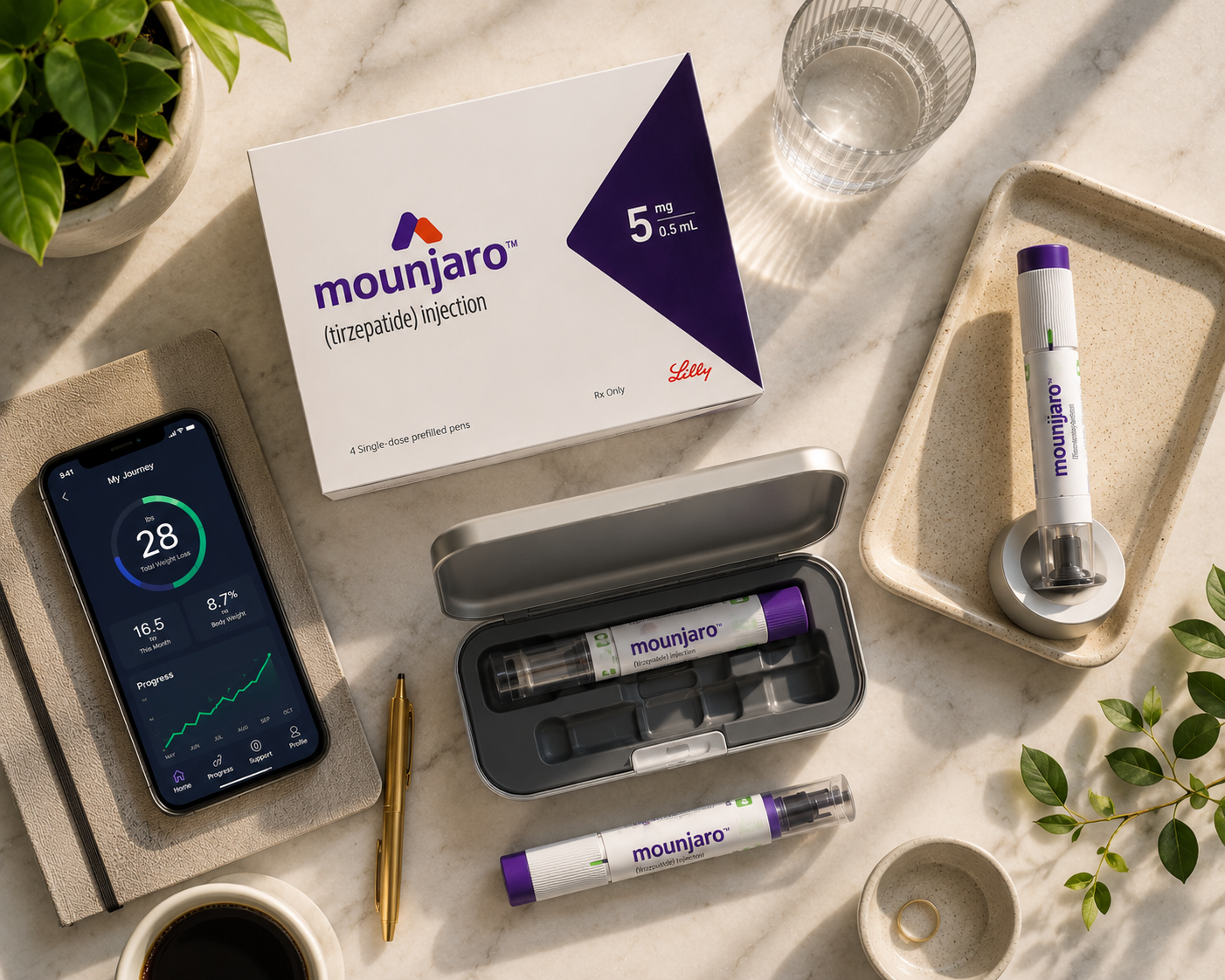
That demand created the perfect environment for GLP-1 medications like Mounjaro to explode into mainstream attention.
For decades, hunger was treated like a discipline problem.
If someone struggled with weight, society often assumed they lacked motivation or self-control.
But newer metabolic research paints a dramatically different picture.
Harvard Medical School (https://www.health.harvard.edu) and Mayo Clinic (https://www.mayoclinic.org) continue to highlight how hormones, insulin regulation, neurological reward pathways, sleep quality, and stress responses all influence appetite and weight regulation.
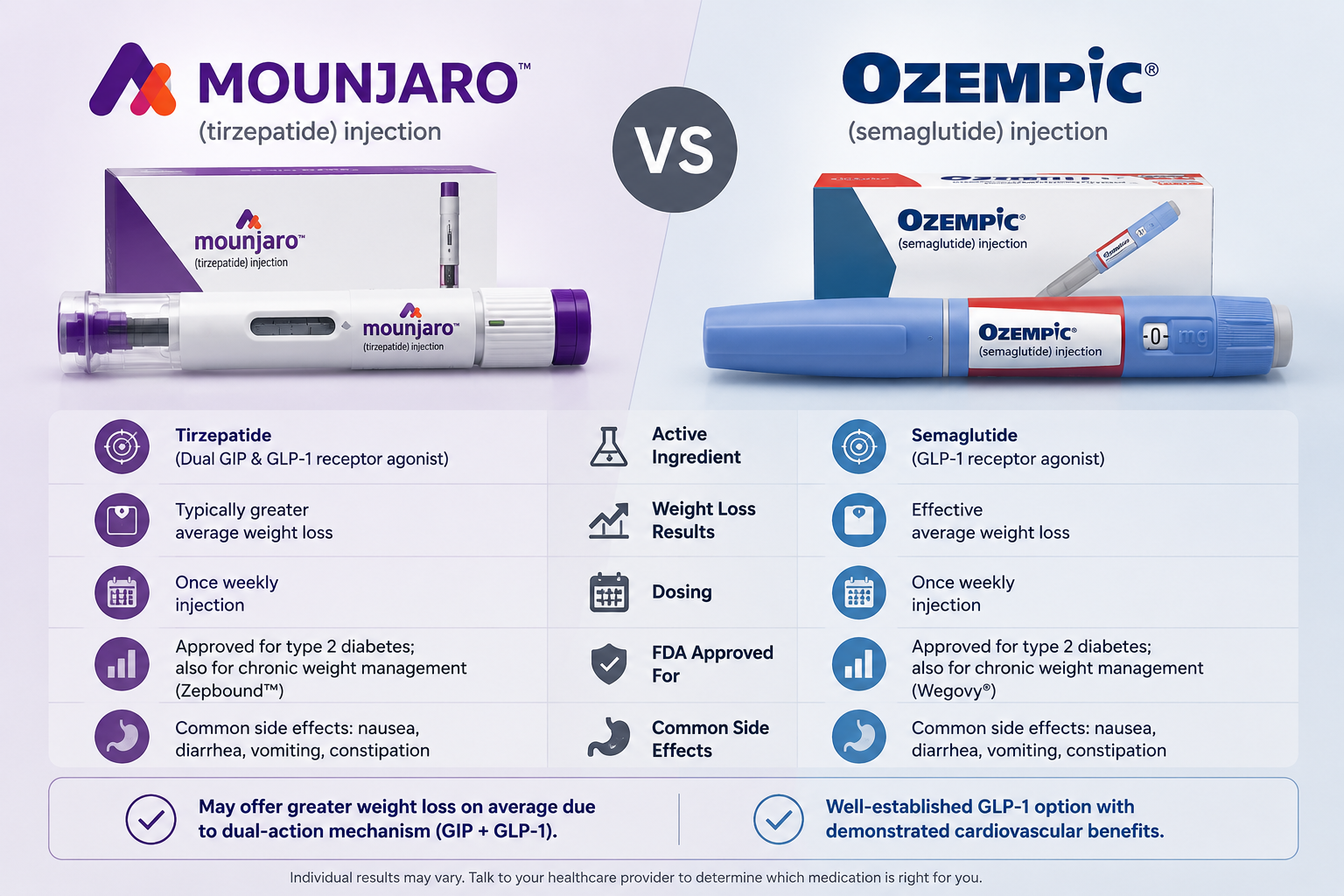
Mounjaro works through GLP-1 and GIP receptor pathways designed to influence satiety and blood sugar regulation.
And for many users, the effect feels almost futuristic.
Patients frequently describe:
Online communities often describe the experience as “turning off food noise.”
That phrase alone may explain why the medication has generated such emotional reactions worldwide.
For some users, Mounjaro does not simply change body composition.
It changes mental bandwidth.

Across Silicon Valley, a new status symbol has quietly emerged:
high-performance biology.
Executives are spending millions annually on:
Coverage from WIRED (https://www.wired.com) and Forbes (https://www.forbes.com) has explored how health optimization culture is becoming deeply embedded within the technology and startup ecosystem.
In that world, metabolism is no longer viewed merely as a health concern.
It is viewed as infrastructure for performance.
The logic is simple:
better energy,
better cognition,
better focus,
better output.
And medications like Mounjaro are increasingly entering conversations about the future of human optimization itself.
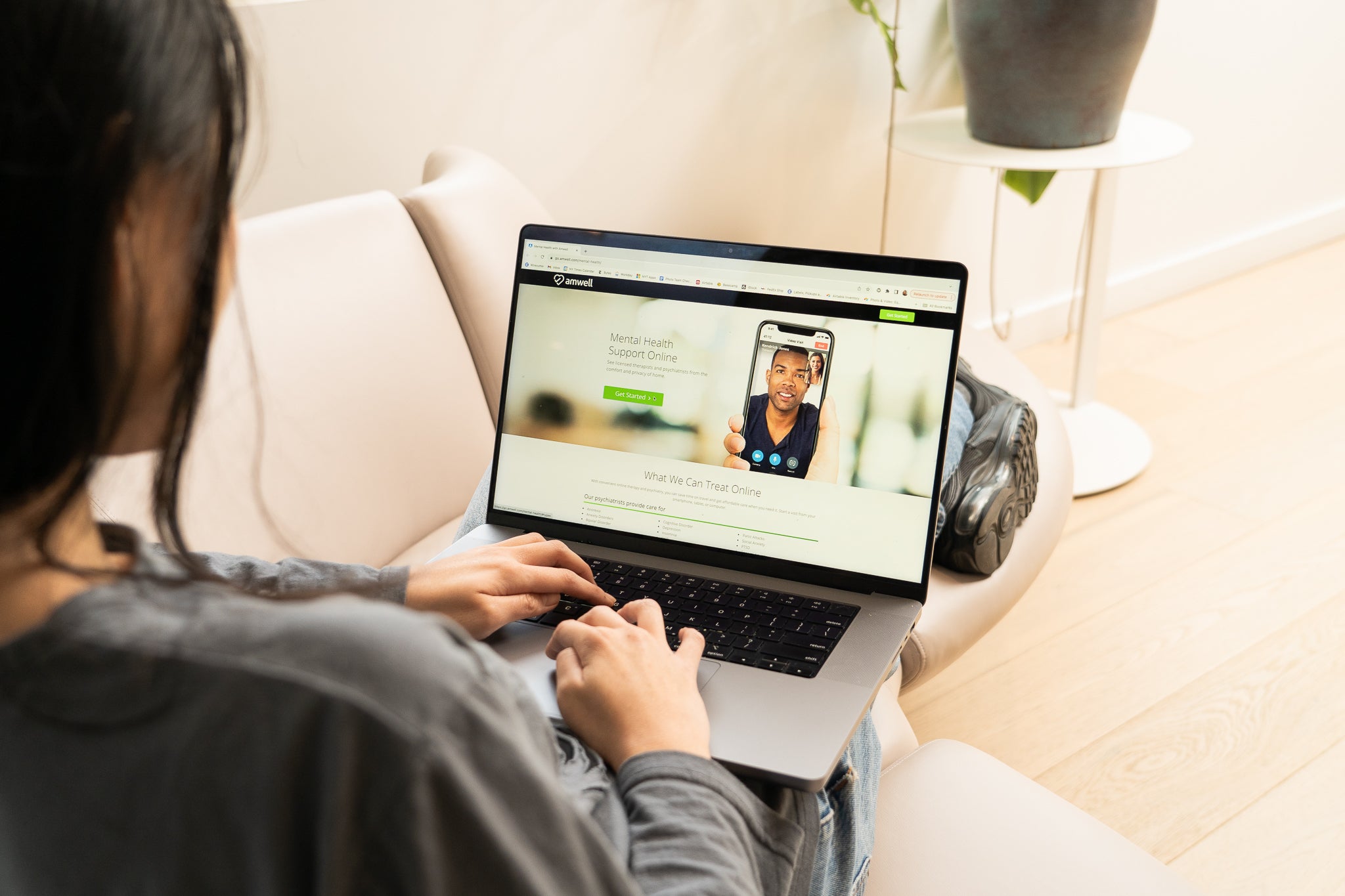
The rise of Mounjaro also coincided with the explosive growth of telehealth.
Consumers can now:
According to Deloitte (https://www.deloitte.com), digital healthcare adoption accelerated rapidly in recent years, permanently changing patient expectations around convenience and accessibility.
Healthcare is no longer tied to waiting rooms.
It now operates like a connected ecosystem.
And GLP-1 medications became one of its fastest-growing categories.
For millions of consumers, accessing advanced metabolic care became dramatically easier almost overnight.
The success of Mounjaro has triggered one of the most aggressive pharmaceutical races in modern healthcare.
Companies are investing billions into:
Coverage from Reuters (https://www.reuters.com) and Bloomberg (https://www.bloomberg.com) suggests analysts believe the GLP-1 category could become one of the largest pharmaceutical markets in history.
And many experts believe the technology is still in its earliest phase.
Future therapies may become:
The long-term implications are enormous.

The healthcare industry is slowly moving toward a new realization:
Many chronic diseases are deeply connected to metabolic health.
Conditions involving:
…often overlap within the same biological systems.
That means improving metabolism may eventually influence multiple areas of long-term health simultaneously.
This is one reason why GLP-1 medications have generated such intense global interest among researchers, investors, and healthcare leaders alike.
Mounjaro may not simply represent a successful drug.
It may represent the first major step toward a more biologically intelligent healthcare model.
Perhaps the most overlooked aspect of Mounjaro is emotional.
For years, millions of people blamed themselves for failed diets and repeated weight-loss cycles.
But as obesity science evolves, the conversation is shifting away from shame and toward biology.
That distinction matters enormously.
When people stop viewing metabolic struggles as personal failure, healthcare changes.
Public policy changes.
Insurance systems change.
And self-perception changes too.
For many patients, the greatest transformation is not physical.
It is psychological freedom.

Every generation experiences technologies that permanently redefine human behavior.
The internet changed communication.
Smartphones changed daily life.
Artificial intelligence is reshaping productivity.
Mounjaro and the broader GLP-1 revolution may ultimately change the relationship humanity has with metabolism itself.
Not through trends.
Not through celebrity hype.
Not through another temporary wellness craze.
But through a deeper scientific understanding of how the body regulates hunger, energy, and long-term health.
And if that transformation continues accelerating, future historians may look back at this moment as the beginning of an entirely new era:
The age of metabolic intelligence.
Browse expert reviews, guides, and comparisons across all our health categories.
GLP-1 medications, nutrition plans & more
Therapy, psychiatry & counseling
ED, testosterone, hair loss & wellness
Birth control, hormones & fertility
Cold, flu, infections & quick visits
Check-ups, chronic care & prescriptions
Hair Loss
The gold standard combo for hair loss. 90% effective in stopping loss and promoting regrowth.
Explore our latest articles, guides, and expert insights on telehealth and wellness.
Real stories from real patients who found better healthcare through CompareTelehealth.
"CompareTelehealth made finding the right provider so easy. I was matched with a doctor in minutes and had my prescription the same day."
Sarah M., 34
Austin, TX
"I've been managing my diabetes through telehealth for 6 months now. My provider is thorough, caring, and always available when I need her."
James K., 52
Chicago, IL
"Got my birth control prescription renewed in a 10-minute video call. No waiting room, no hassle. This is how healthcare should work."
Emily R., 28
Denver, CO
"Was skeptical about online therapy but my therapist is incredible. We meet weekly via video and it's been life-changing for my anxiety."
Marcus W., 41
Miami, FL
"Lost 28 pounds with my telehealth weight loss provider. The personalized plan and medication support made all the difference."
Priya N., 31
Seattle, WA
"Had a sinus infection on a Sunday night. Got on a video call in 15 minutes, had antibiotics at my pharmacy by Monday morning."
David L., 45
Phoenix, AZ
"The comparison tool helped me find the most affordable provider for my needs. Saved over $200 compared to my previous telehealth service."
Rachel T., 38
Brooklyn, NY
"At my age, having a doctor who actually listens matters. My telehealth primary care provider gives me more attention than any in-person doctor."
Tom H., 61
Nashville, TN
"CompareTelehealth made finding the right provider so easy. I was matched with a doctor in minutes and had my prescription the same day."
Sarah M., 34
Austin, TX
"I've been managing my diabetes through telehealth for 6 months now. My provider is thorough, caring, and always available when I need her."
James K., 52
Chicago, IL
"Got my birth control prescription renewed in a 10-minute video call. No waiting room, no hassle. This is how healthcare should work."
Emily R., 28
Denver, CO
"Was skeptical about online therapy but my therapist is incredible. We meet weekly via video and it's been life-changing for my anxiety."
Marcus W., 41
Miami, FL
"Lost 28 pounds with my telehealth weight loss provider. The personalized plan and medication support made all the difference."
Priya N., 31
Seattle, WA
"Had a sinus infection on a Sunday night. Got on a video call in 15 minutes, had antibiotics at my pharmacy by Monday morning."
David L., 45
Phoenix, AZ
"The comparison tool helped me find the most affordable provider for my needs. Saved over $200 compared to my previous telehealth service."
Rachel T., 38
Brooklyn, NY
"At my age, having a doctor who actually listens matters. My telehealth primary care provider gives me more attention than any in-person doctor."
Tom H., 61
Nashville, TN
Everything you need to know about CompareTelehealth and how we help you find better healthcare.
CompareTelehealth is a platform that helps you find, compare, and connect with the best telehealth providers for your specific health needs — from weight loss and mental health to urgent care and primary care. We provide unbiased reviews, pricing comparisons, and expert guides to help you make informed healthcare decisions.
No, we are not a telehealth provider ourselves. We are an independent comparison and review platform. We help you discover and compare licensed telehealth providers so you can choose the one that's right for you based on cost, ratings, availability, and services offered.
CompareTelehealth is completely free to use. You can browse reviews, compare providers, read guides, and access all our content at no cost. You only pay when you choose to book a visit with a telehealth provider through their platform.
We cover a wide range of telehealth services including weight loss (GLP-1 medications), mental health & therapy, women's health (birth control, PCOS, menopause), men's health (ED, hair loss, testosterone), urgent care, and primary care. New categories are added regularly.
Yes, all telehealth providers featured on our platform are licensed, board-certified medical professionals. We verify credentials and only list reputable, established telehealth services that meet our quality standards.
Yes, most telehealth providers we compare can prescribe medications during your virtual visit. Prescriptions are typically sent directly to your preferred pharmacy or delivered to your door, depending on the provider and medication type.
Many insurance plans now cover telehealth visits, though coverage varies by provider and plan. We include insurance acceptance information in our provider comparisons so you can find options that work with your coverage. Some providers also offer affordable self-pay rates.
Use our comparison tools to filter providers by specialty, cost, availability, ratings, and insurance acceptance. We also publish detailed guides and reviews to help you understand what each provider offers. If you're unsure, start with our 'How to Choose' guides in each category.
For many conditions, telehealth is equally effective as in-person care. Studies show high patient satisfaction and comparable outcomes for conditions like mental health, chronic disease management, medication management, and routine check-ups. However, some conditions still require in-person evaluation — we clearly note when that's the case.
You can reach our team through the contact form on our About Us page, or email us directly. We're here to help you navigate your telehealth options and answer any questions about the providers and services we compare.