GLP-1 Injections vs Weight Loss Pills
GLP-1 medications have rapidly evolved from weekly injections into a growing category of oral weight loss pills. Today, people looking to lose weight may choose between injectable medications like Wegovy, Ozempic, Zepbound, and Mounjaro — or newer oral GLP-1 options such as Rybelsus and oral semaglutide formulations.
But which one actually works better?
The answer depends on several factors including:
- effectiveness
- convenience
- side effects
- cost
- lifestyle preferences
- long-term adherence
While both injections and pills can support significant weight loss, there are important differences worth understanding before starting treatment.
How GLP-1 Injections Work
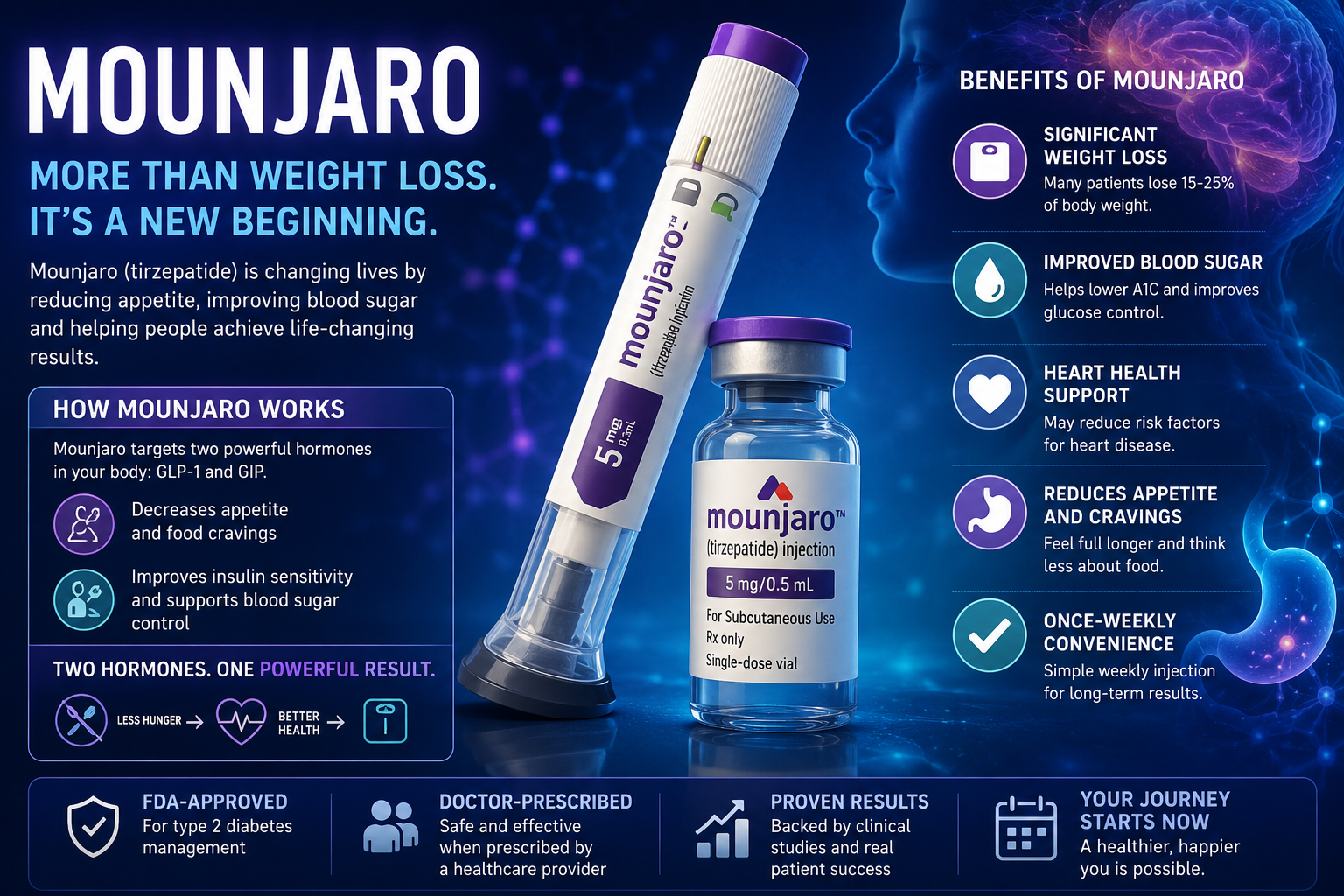
Injectable GLP-1 medications are typically taken once weekly using a small pen injector placed under the skin.
These medications work by:
- slowing digestion
- reducing appetite
- increasing fullness
- helping regulate blood sugar
- reducing food cravings
Because injections bypass much of the digestive system, the medication is absorbed more efficiently into the bloodstream. Experts say this is one reason injectable versions often produce slightly stronger weight loss results.
Popular injectable GLP-1 medications include:
- Wegovy
- Ozempic
- Zepbound
- Mounjaro
- Saxenda
How GLP-1 Weight Loss Pills Work
GLP-1 pills aim to deliver similar appetite-suppressing effects without injections.
The biggest challenge is that these medications must survive stomach acid and still enter the bloodstream effectively. Newer oral formulations use special absorption technologies to help protect the medication during digestion.
Unlike injections, oral GLP-1 medications are usually taken:
- daily
- on an empty stomach
- with strict timing instructions
Some newer pills may eventually remove those restrictions, but most currently available options still require careful dosing routines.
Common oral GLP-1 options include:
- Rybelsus
- oral semaglutide
- newer oral drugs like orforglipron (emerging)
Which One Is More Effective for Weight Loss?
Right now, injectable GLP-1 medications still appear to have a slight advantage for overall weight loss.
Clinical trials show:
- injectable semaglutide often produces around 15–16% body weight reduction
- oral versions generally produce around 13–14% weight loss in many studies
Some newer oral GLP-1 drugs are beginning to narrow the gap. Newer pill-based medications like orforglipron have shown promising results in trials, although injections like tirzepatide still appear stronger overall for maximum weight reduction.
That said, the “best” medication is not always the strongest one — it’s often the one a person can consistently stick with long term.
Convenience: Pills vs Weekly Injections
This is where pills may become more appealing for many people.
GLP-1 Injections
Pros:
- only once weekly
- less daily maintenance
- strong effectiveness
Cons:
- needle anxiety
- refrigeration requirements
- travel inconvenience
- injection discomfort
GLP-1 Pills
Pros:
- no needles
- easier for some travelers
- simpler psychologically for first-time users
Cons:
- daily dosing
- strict timing requirements
- easier to forget doses
- absorption may vary
Experts say convenience and consistency play a huge role in long-term success.
Side Effects: Are Pills Safer?
Both injections and pills share many of the same side effects because they activate the same GLP-1 pathways.
Common side effects include:
- nausea
- bloating
- constipation
- diarrhea
- vomiting
- fatigue
Some studies suggest oral semaglutide may produce slightly more gastrointestinal side effects compared to injections.
Injection-specific side effects may also include:
- redness
- irritation
- injection site reactions
Cost Differences
Cost remains one of the biggest barriers for both forms.
Without insurance:
- injectable GLP-1 medications are often more expensive
- oral options may initially appear cheaper
- long-term pricing varies heavily depending on dosage and provider
Insurance coverage also changes frequently depending on:
- obesity diagnosis
- diabetes status
- employer plans
- FDA approvals
Some telehealth companies now offer compounded oral or injectable GLP-1 medications at lower monthly prices, though safety and regulation concerns remain important considerations.
Who May Prefer Injections?
Injectable GLP-1 medications may be better for people who:
- want maximum weight loss potential
- prefer weekly dosing
- struggle with remembering daily medications
- want stronger appetite suppression
- already feel comfortable with injections
Who May Prefer Pills?
Oral GLP-1 medications may be better for people who:
- dislike needles
- travel frequently
- want a less intimidating starting option
- prefer daily medication routines
- value convenience and portability
The Future of GLP-1 Weight Loss
The weight loss industry is moving rapidly toward more oral GLP-1 options.
Experts believe pills could eventually:
- improve accessibility
- reduce manufacturing costs
- increase patient adherence
- expand obesity treatment globally
However, injections currently still dominate the market because of their stronger clinical results and established long-term data.